Mastering Scale and Proportion in Game Environments: Enhancing Player Perception
- Author
- Gökhan Kuşatan
- Published
- Read Time
- ~ 3 min
- Categories
- Environmental Design
Why Accurate Scale Matters
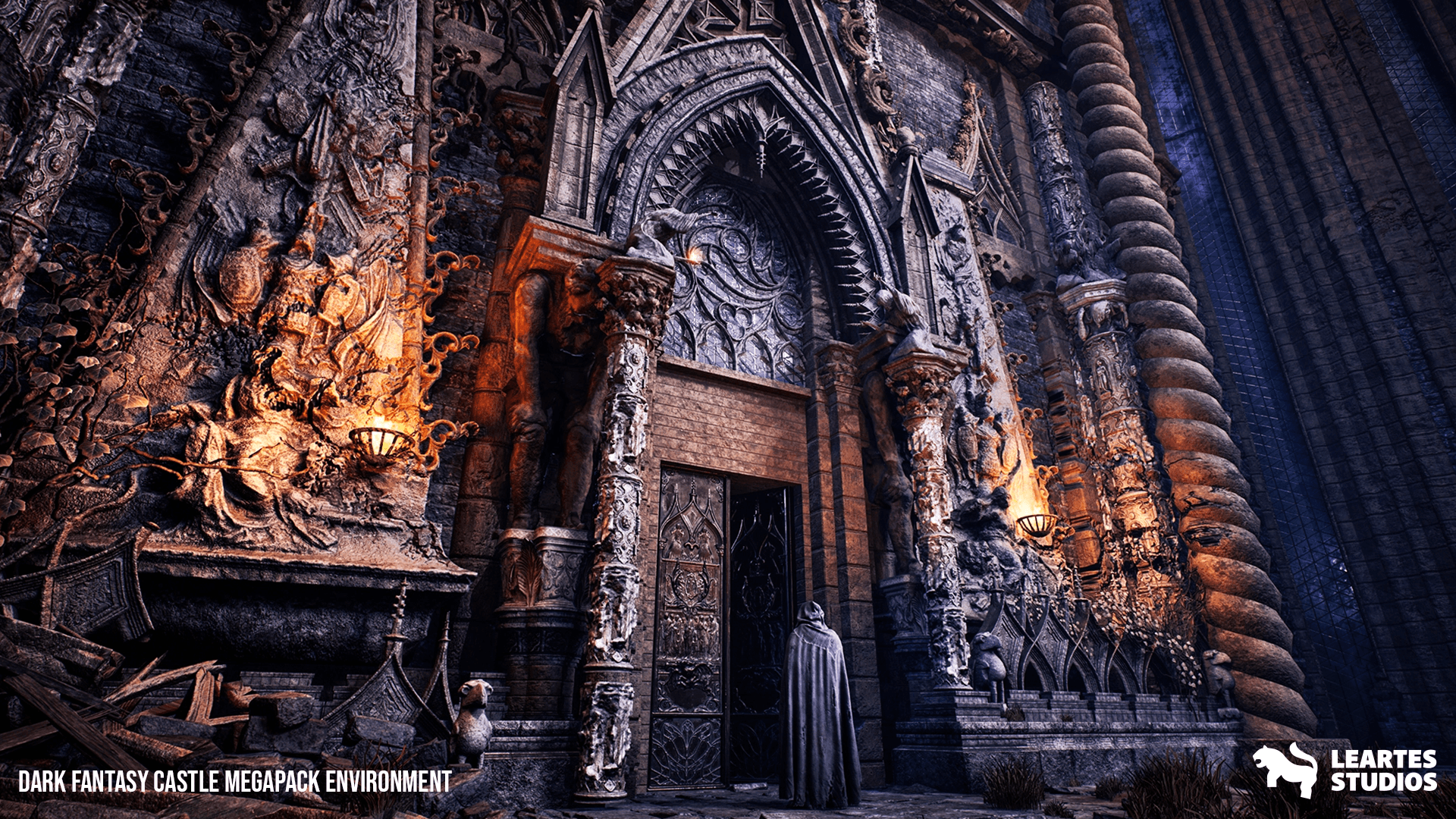
Scale and proportion, in game design, usually dictate the player's general experience within game-worlds. The scale of objects, architecture, and characters can greatly impact player immersion, perception, and interaction. It's necessary to be precise on these elements not for realism but for natural gameplay. Faced scaling can have unnatural interactions and break the sense of immersion of the player, which can make gameplay unpleasant.
Real-Life Scale and Player Expectations
For scale to be effective, its user must also be familiar with real-world proportions and be able to translate them realistically into their game world. Accordingly, doorways, furniture, and architecture should be natural and realistic. Players will instinctively expect to easily navigate environments, such as moving easily through doorways or comfortably manipulating objects at natural heights. Careful proportions can have a profound effect on the mood of the player, eliciting awe at grand environments but provoking anxiety at sharply narrow locations.
Scale as a Storytelling Device
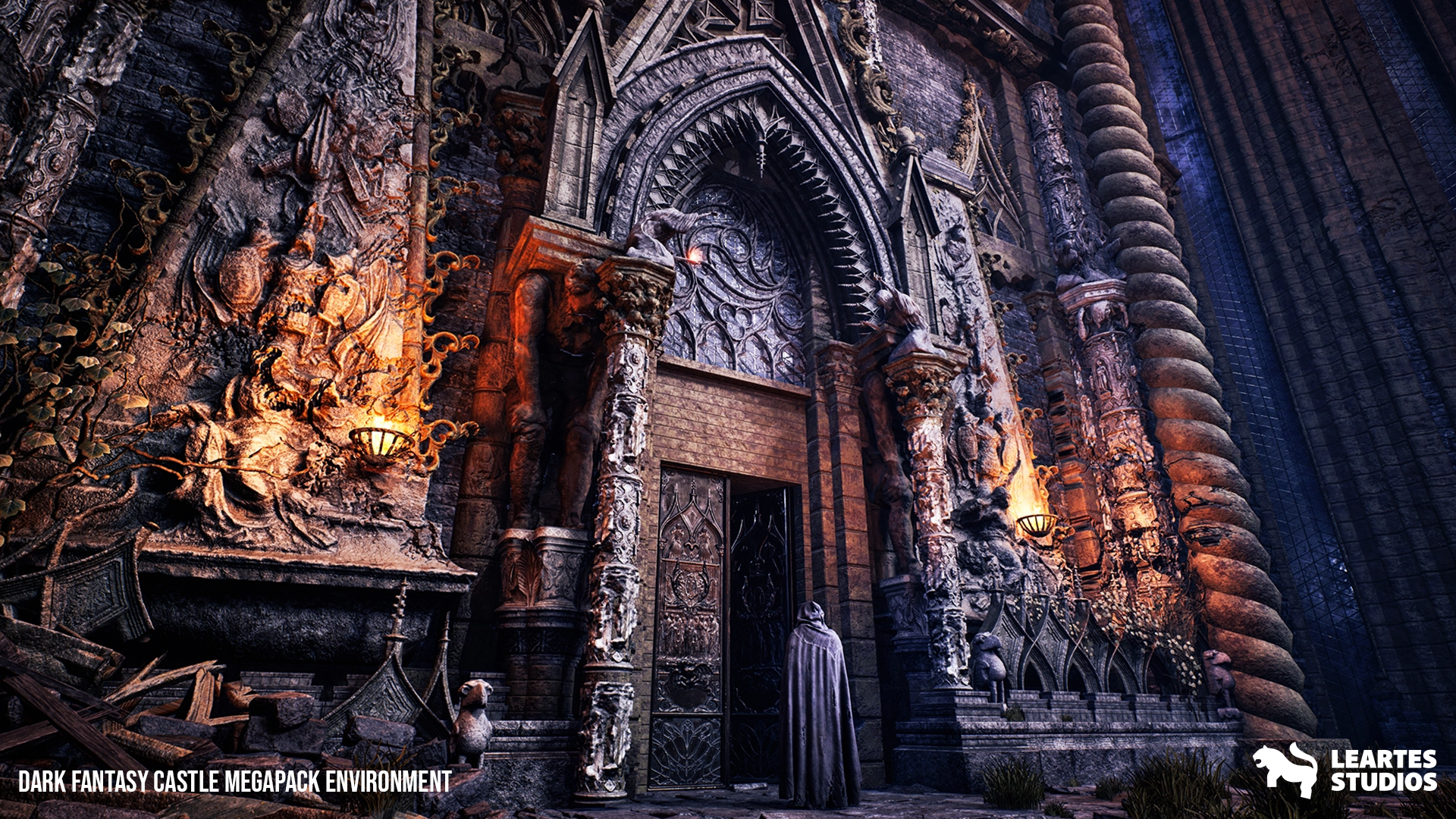
Scale isn't only about realism but can also greatly enhance storytelling and game play. Think gargantuan statues or massive structures that will immediately pull focus and guide investigation but also cause emotional responses like amazement or even fear. Smaller than you expect items can also create exciting challenges / puzzles and encourage you to look at environments from new vantage points or to interact differently.
Consistency: Key to Immersion
The presence of a consistent sense of scale throughout all parts of game worlds creates a believable and cohesive experience. With proportions held constant, players can easily navigate and understand their worlds and are rewarded for overall immersion and satisfaction. Scale control also lets designers create environments that genuinely spring to life and are richly resonant.
Avoiding Common Scale Mistakes
Yet another frequent game design issue is uneven scaling, which can cause confusion and disruption of immersed states. To prevent it, there should be guidelines established early on in production and references constantly consulted. Designers should also consider paying much attention to player vantage points and mobility and design environments that are not only realistic but also natural and comfortable to utilize.
Refining Scale with Player Feedback
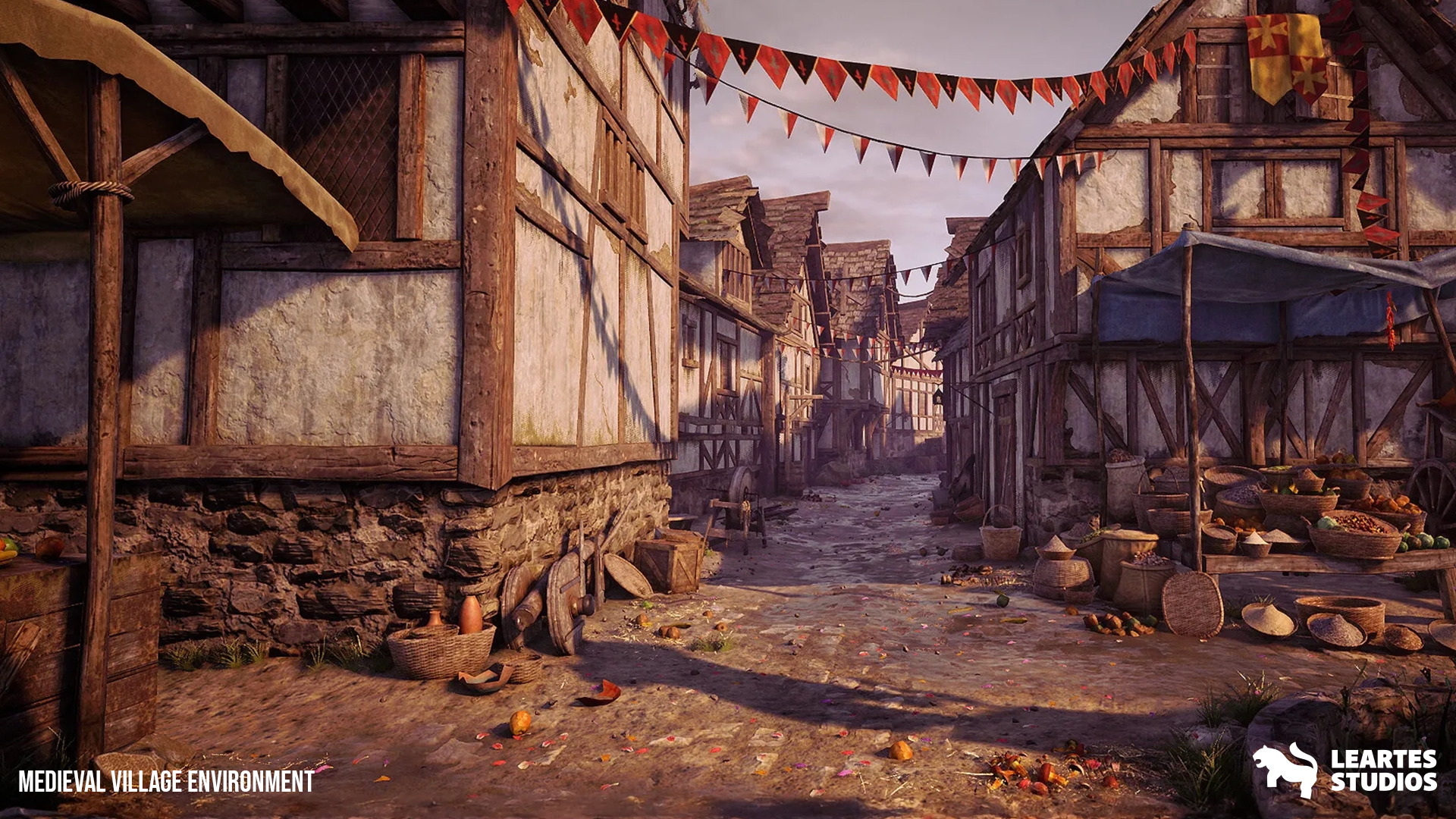
Repeated playtesting against actual players provides significant insight into scaling effectiveness. Requesting commentary from structured playtesting also identifies where adjustments are needed on an individual level. Data and tracking how players play can also suggest scaling issues and guide designers how to adjust environments for optimal interaction and fun.
Conclusion
Scale and proportion are not just visual choices; they shape how players experience and engage with your game world. Thoughtful scaling creates believable environments, supports storytelling, and enhances player immersion. By combining real-world logic, engine tools, and playtesting, you can design worlds that feel both natural and unforgettable.
To support your creative process, you can find high-quality environment assets, sounds, VFX, and more on Cosmos