Titanic Historia: ashes and echoes
- Author
- christopher mapp
- Published
- Updated
- Read Time
- ~ 15 min
- Categories
- Environmental Design, Game Props
WHAT IS “TITANIC HISTORIA?
full trailer:
Titanic Historia is a narrative exploration game, part of the larger Historia universe. The player steps into the shoes of a modern-day explorer who interacts with “memory objects”—physical remnants of the past that hold emotional and historical resonance. These objects allow them to relive fragmented moments of history. The Titanic is not just a setting, it’s a living memory—haunted not by ghosts, but by echoes of thought, trauma, regret, and resilience.
Each scene plays out like a theatre of memory, where the world shifts between reality and perception, creating a surreal yet emotionally grounded experience.
MEMORY OBJECTS
Objects can hold fragments of human experience—a song heard, a final glance, a secret never told.
These objects are sometimes crystals, sometimes mundane items—cutlery, clothing, even pieces of the ship itself.
Emotions "charge" the object, with stronger moments (fear, love, defiance) leaving deeper imprints.
🧬 MEMORY ECHOES
When a player interacts with an object, they enter a “memory echo”: a playable, visual recreation of a moment.
These aren't perfect replays—they're subjective, incomplete, and sometimes distorted by emotion.
Some echoes loop, some fade, some glitch—depending on how fractured the memory is.
Certain figures, like Molly Brown, may show awareness—they know they are memories, and they wrestle with it.
🧩 TITANIC HISTORIA THEMES
Survival vs. Guilt – “Why me?”
Memory as Weight – Not everything deserves to be remembered… but some things insist on it.
History is Personal – You are not just reliving the Titanic’s story; you’re reliving their stories.
Living Fragments – People within memories may act autonomously, even communicate with the player, asking them to remember correctly—or to forget.
🕯️ WORLD STRUCTURE
MODERN DAY (Framing Device)
The player works with Historia, an organization studying “memory phenomena.”
They investigate artifacts recovered from Titanic expeditions.
The player never speaks—they observe, walk, and interact.
The Titanic is accessed through memory diving, via specialized equipment using Memoir Crystals.
MEMORY REALMS (Playable Levels)
The Titanic is presented as it was, but memories warp and shift.
Some scenes may play out differently depending on what object you used to enter.
Memory NPCs may be unaware, fragmented, or fully conscious.
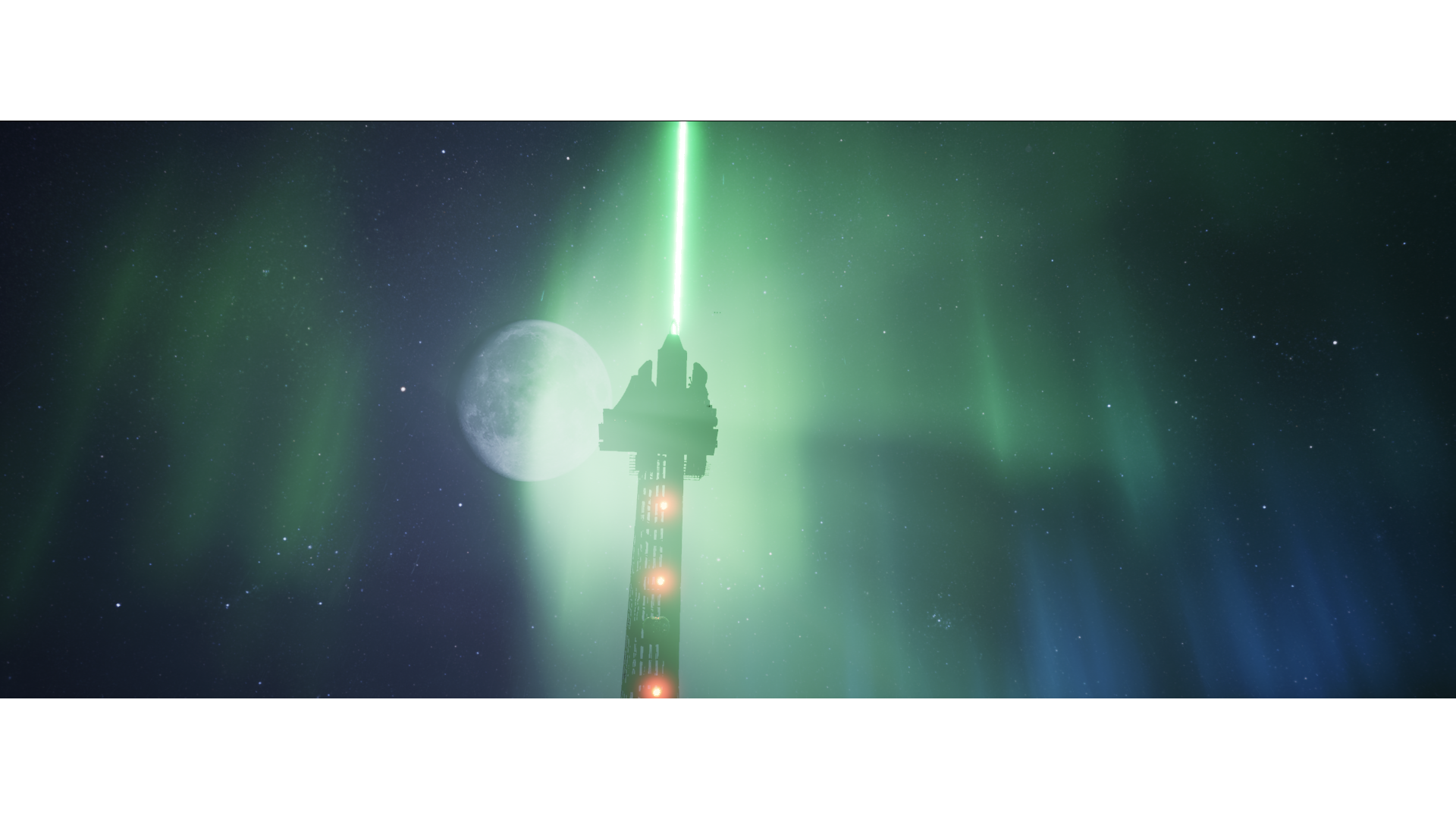
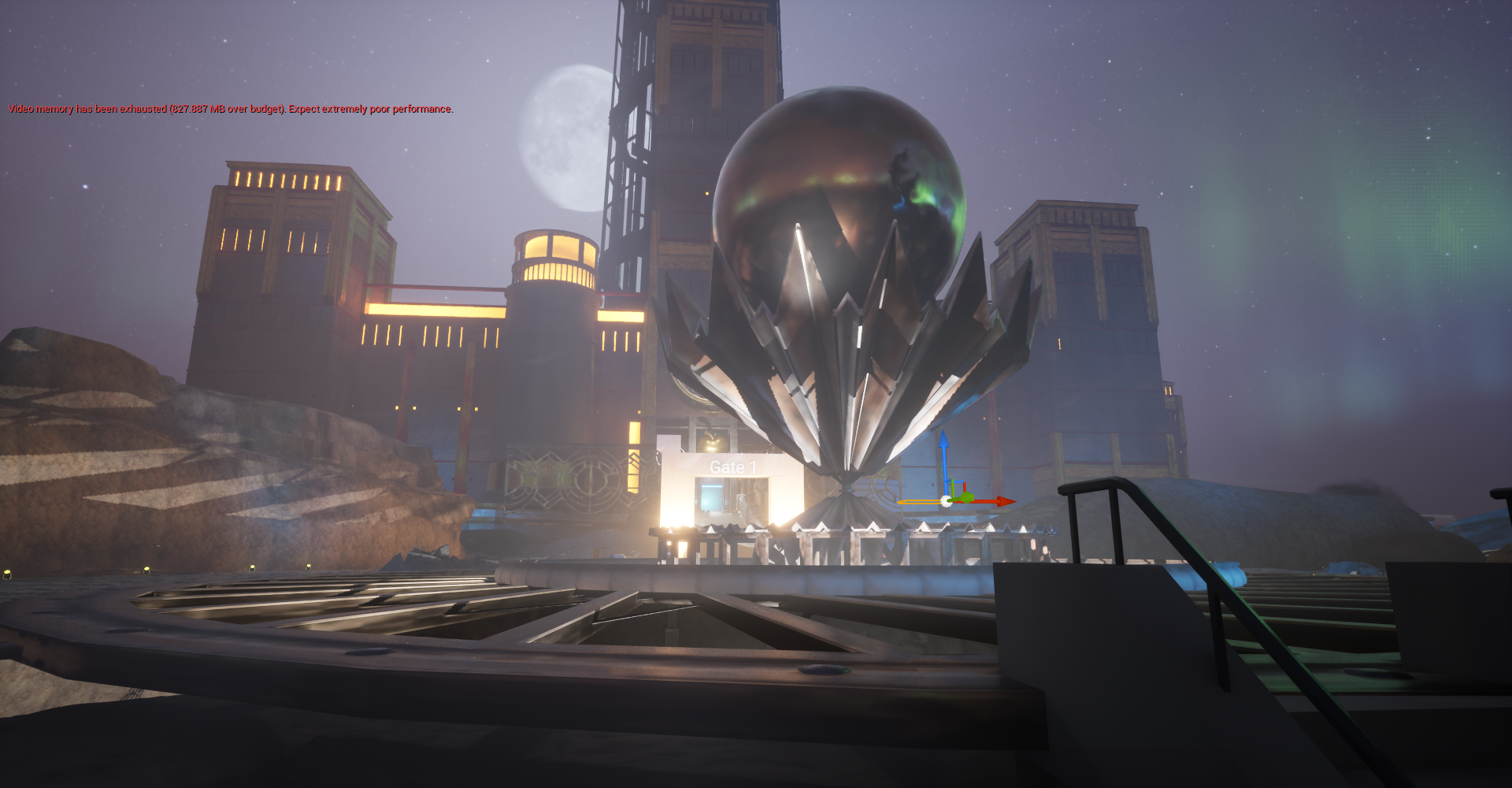
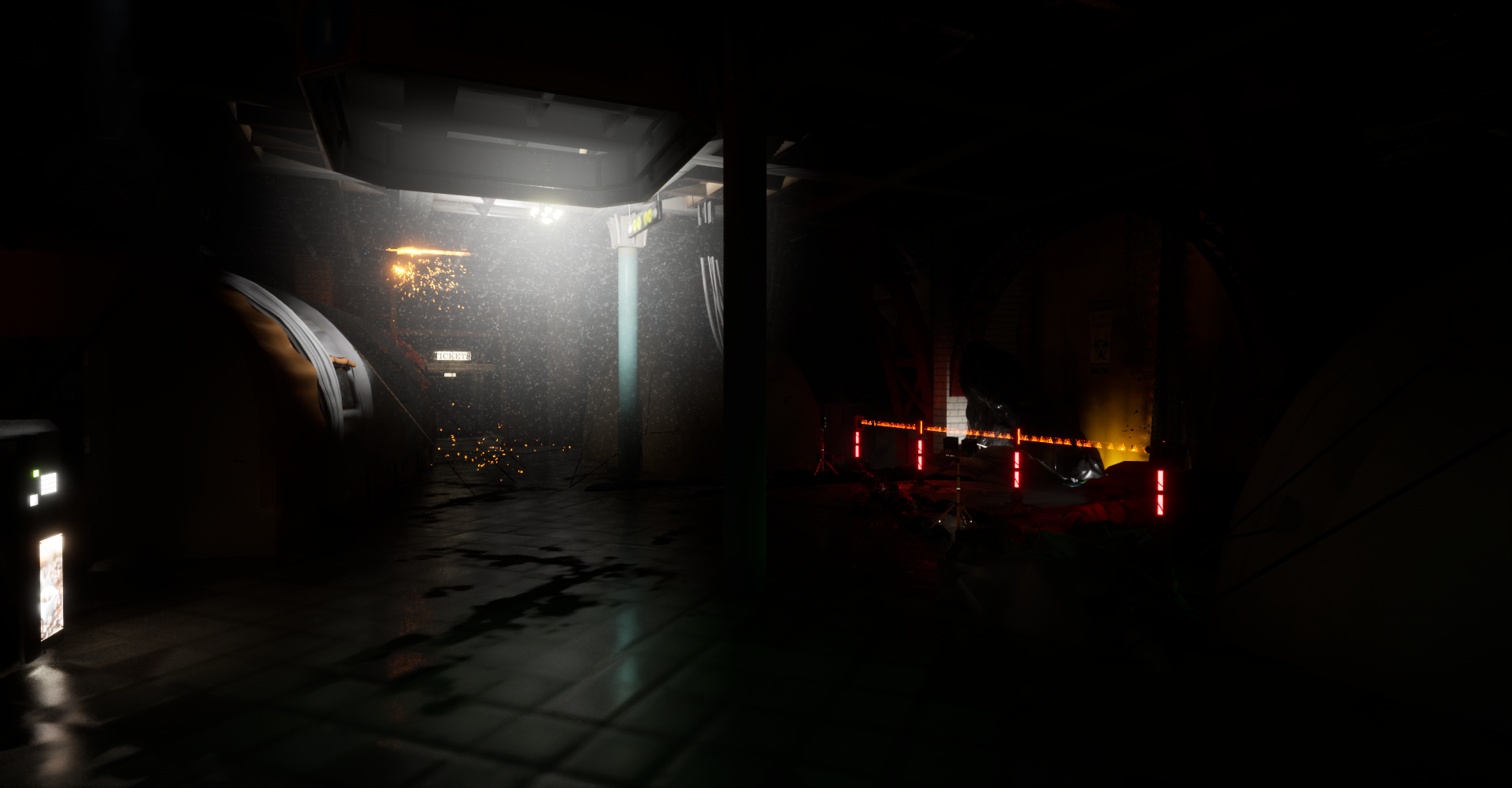
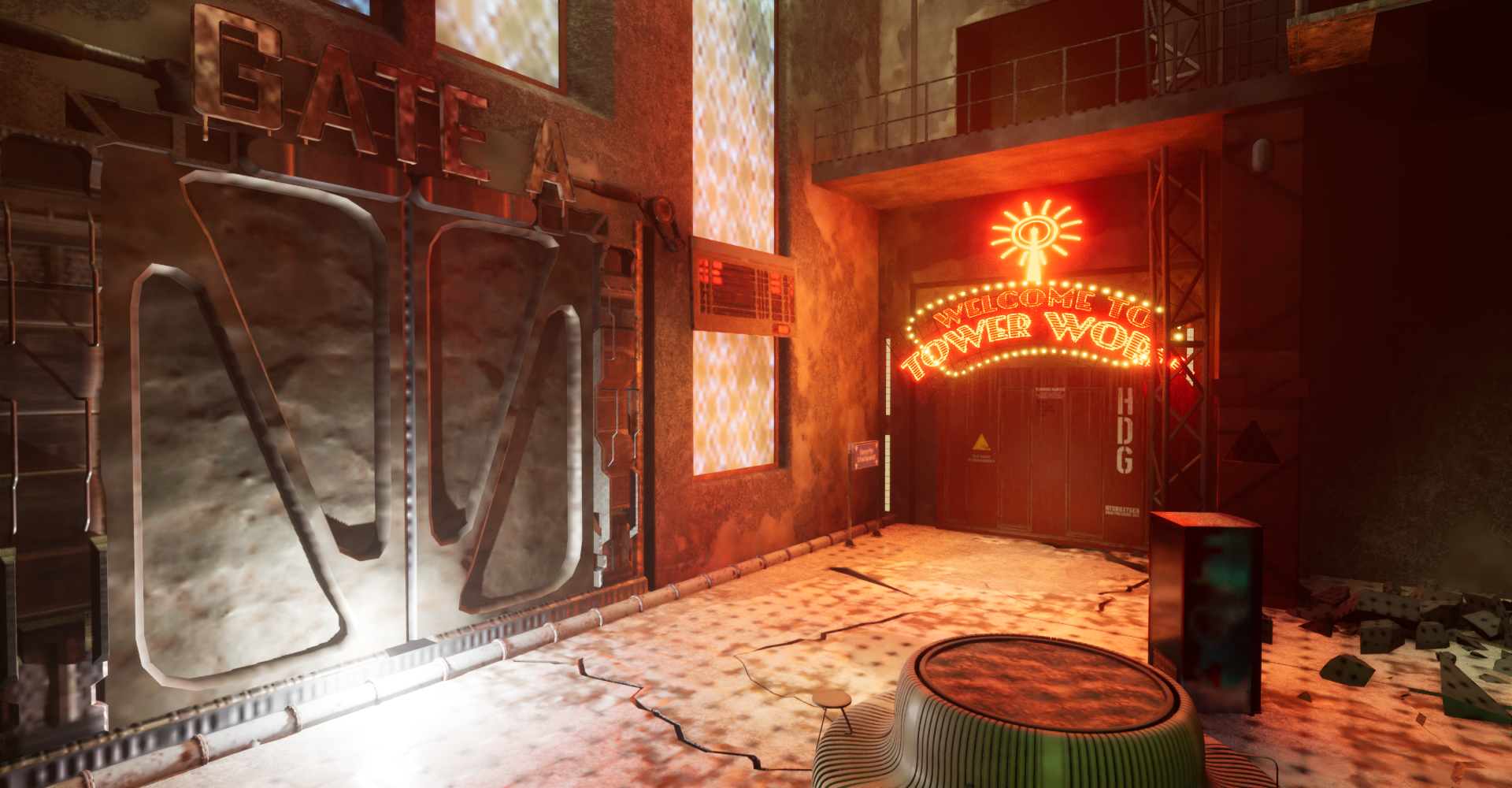
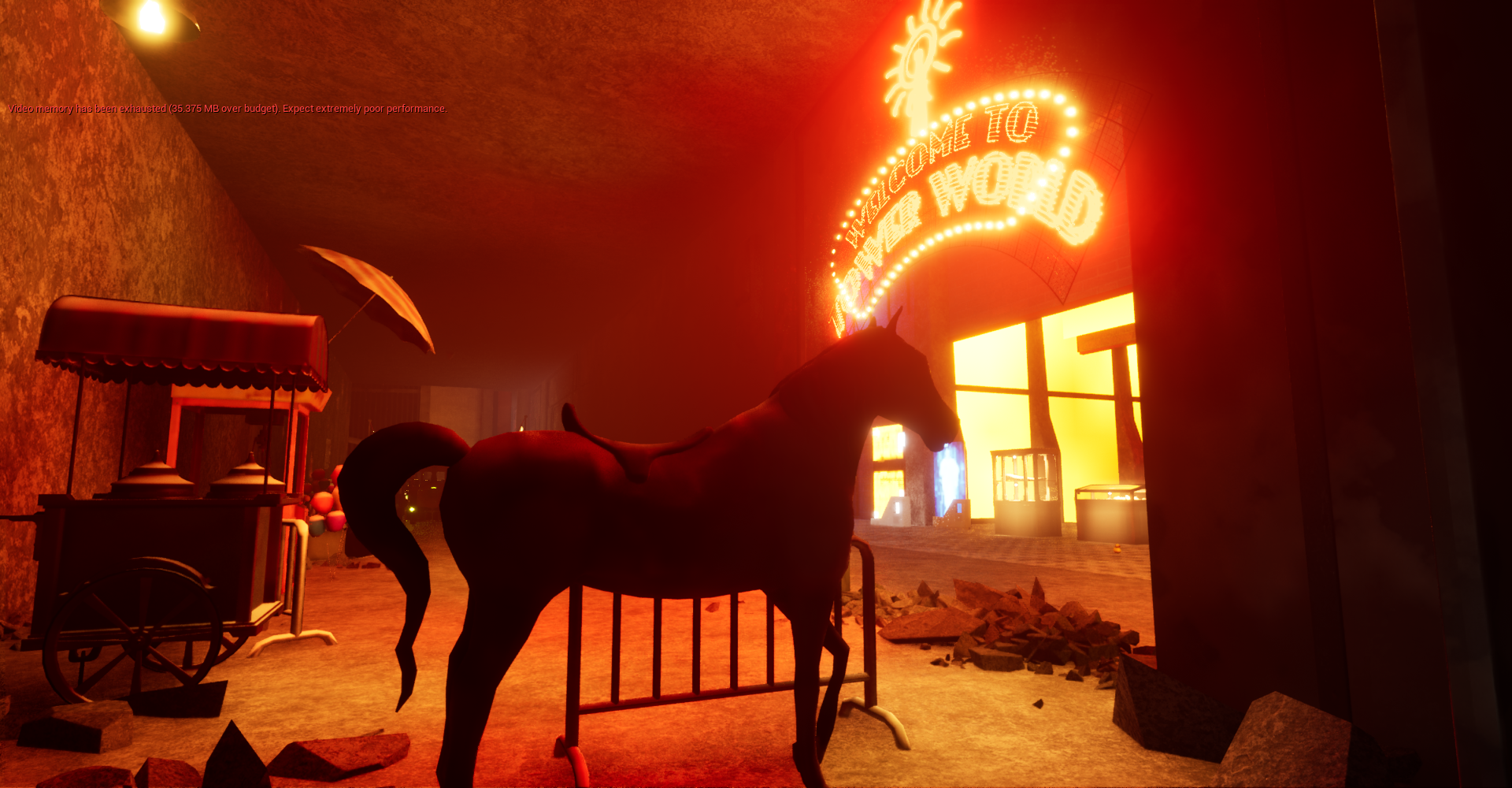
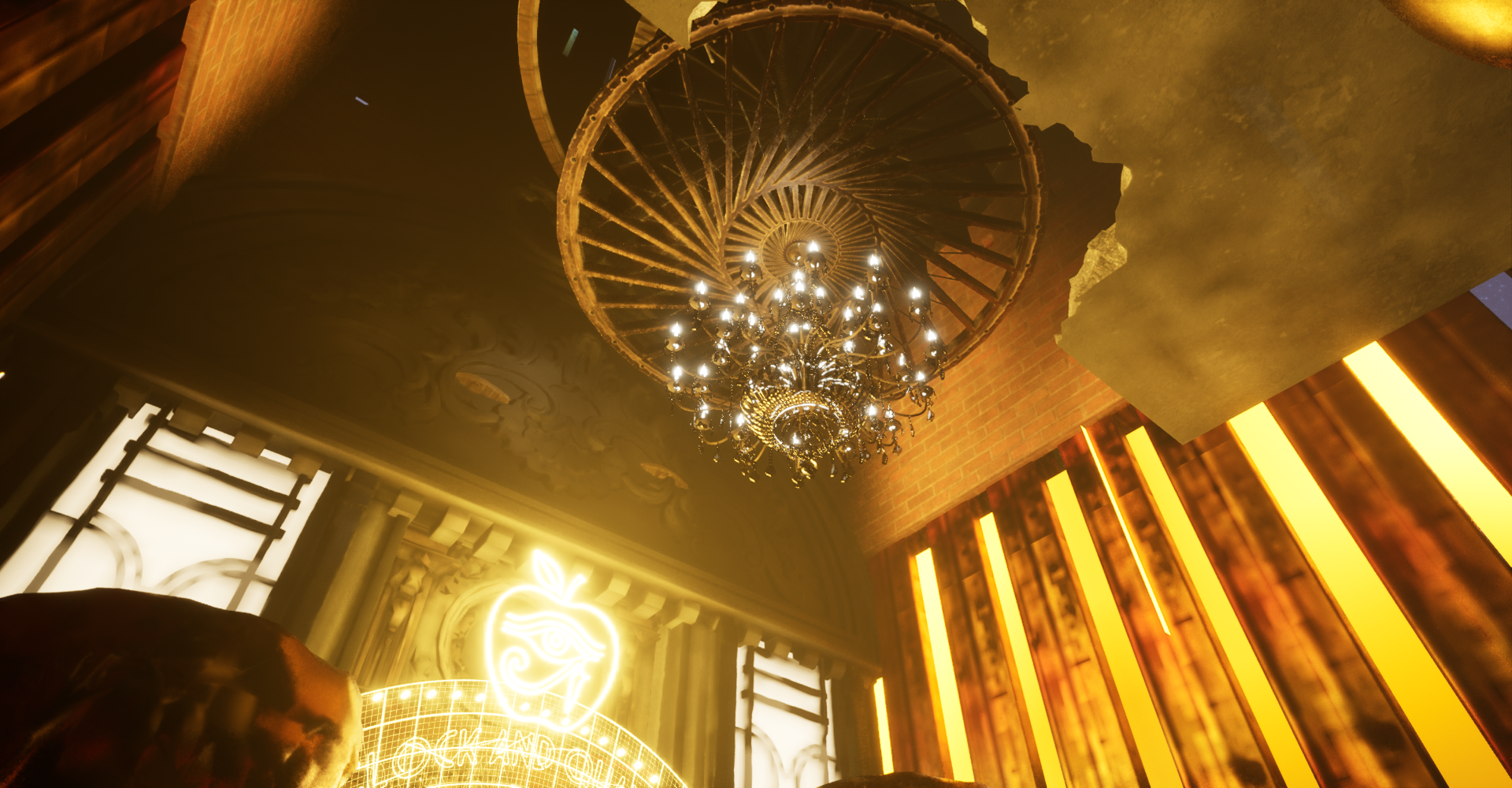
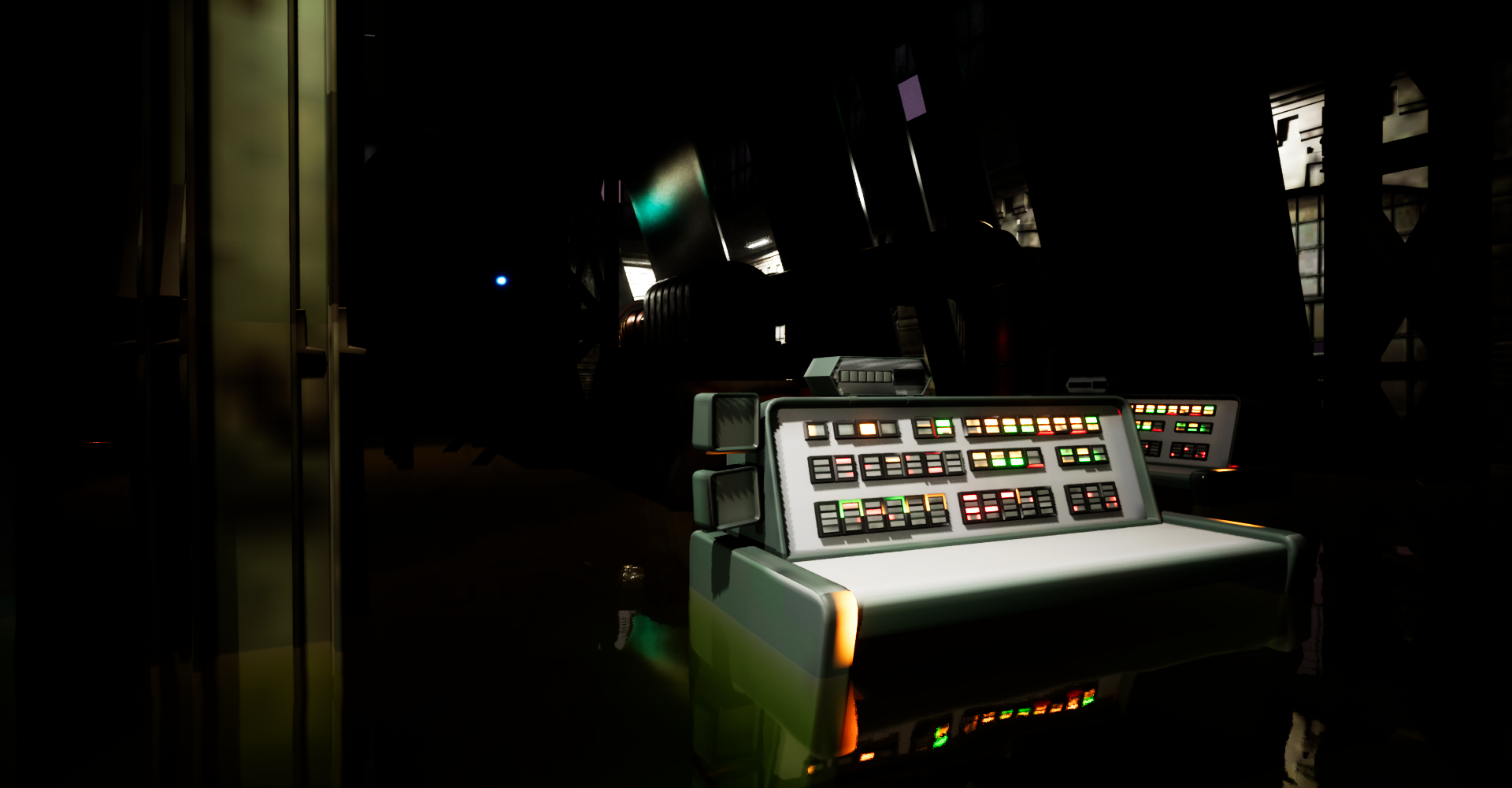
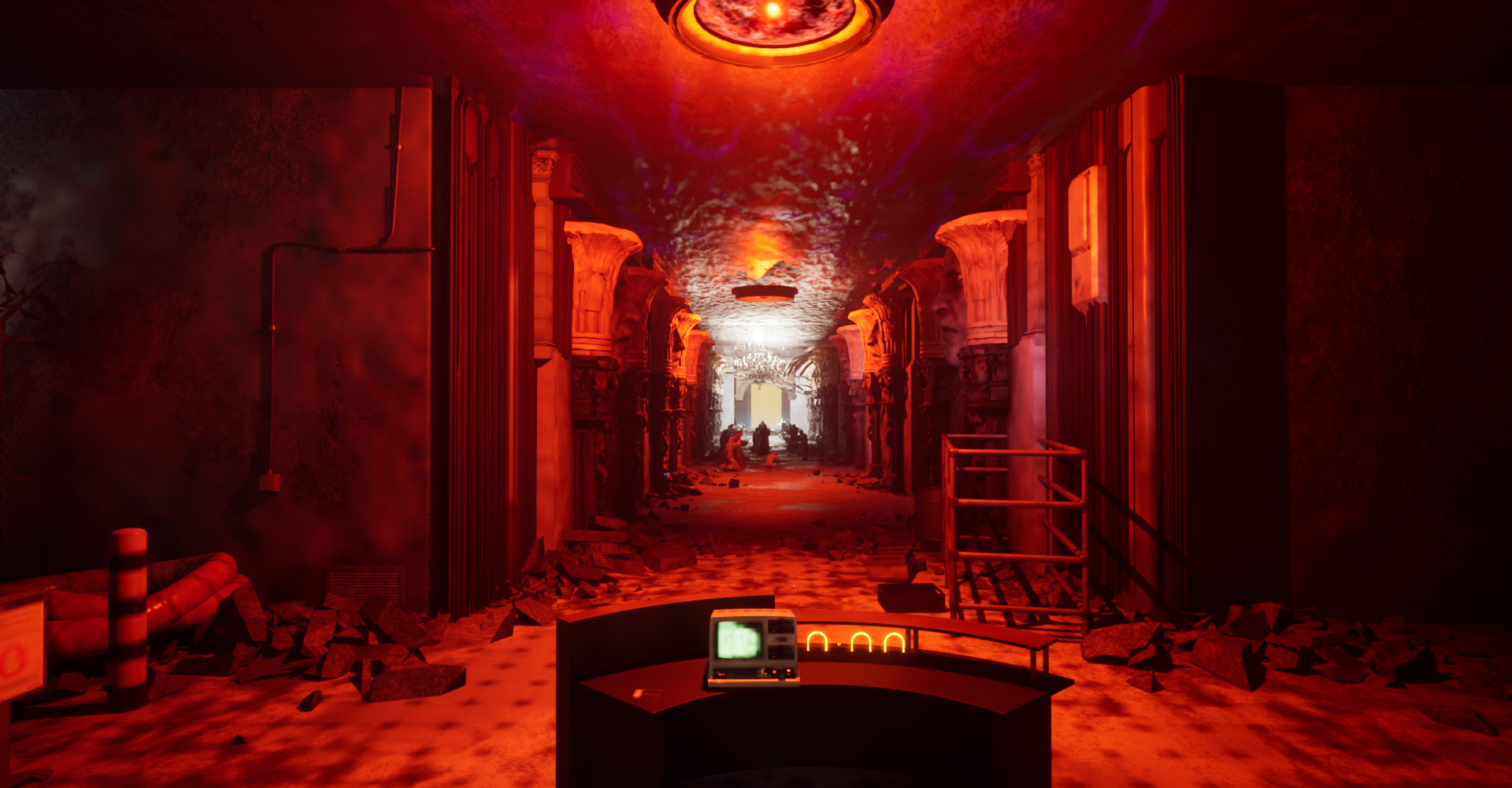
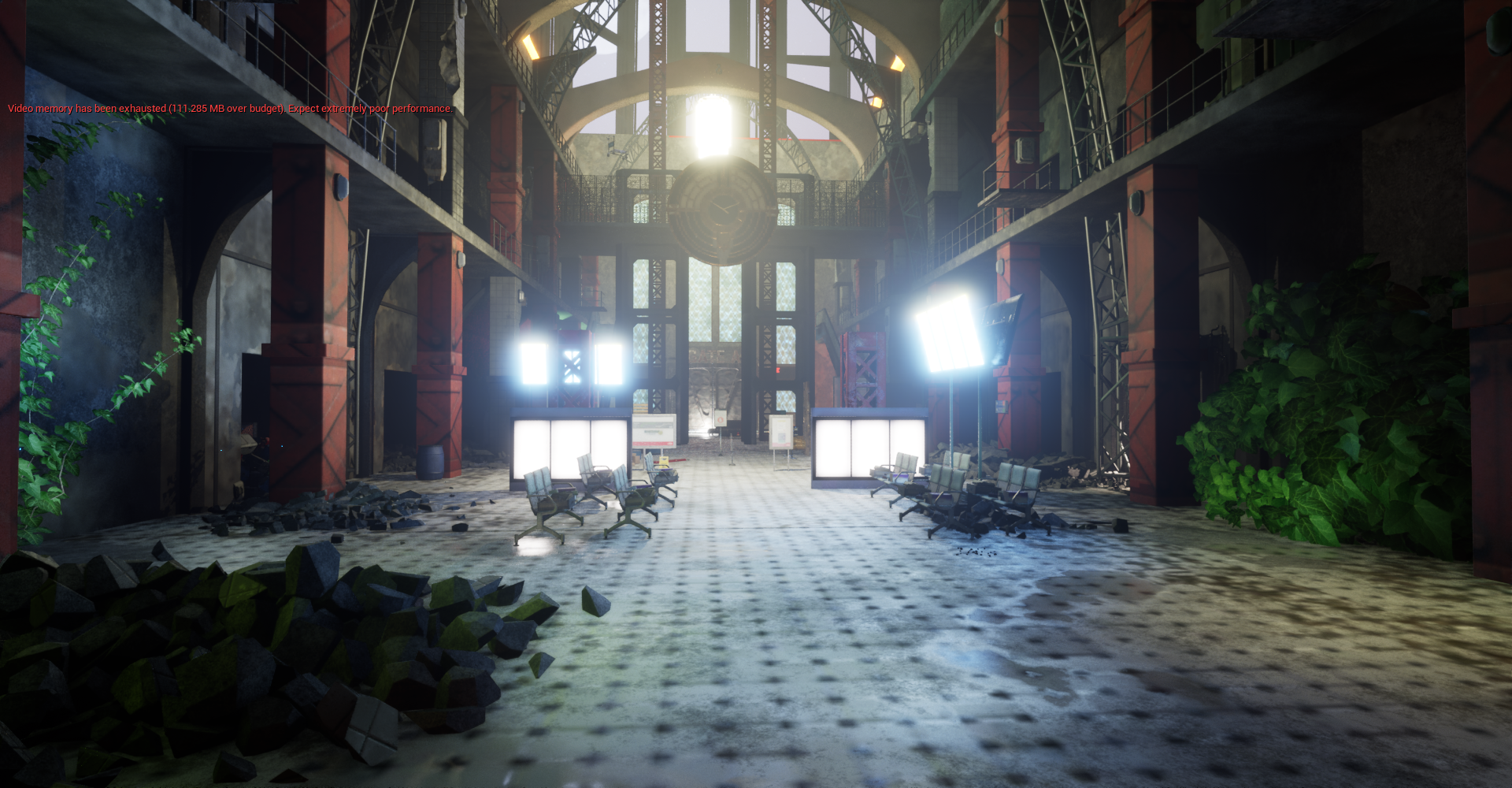
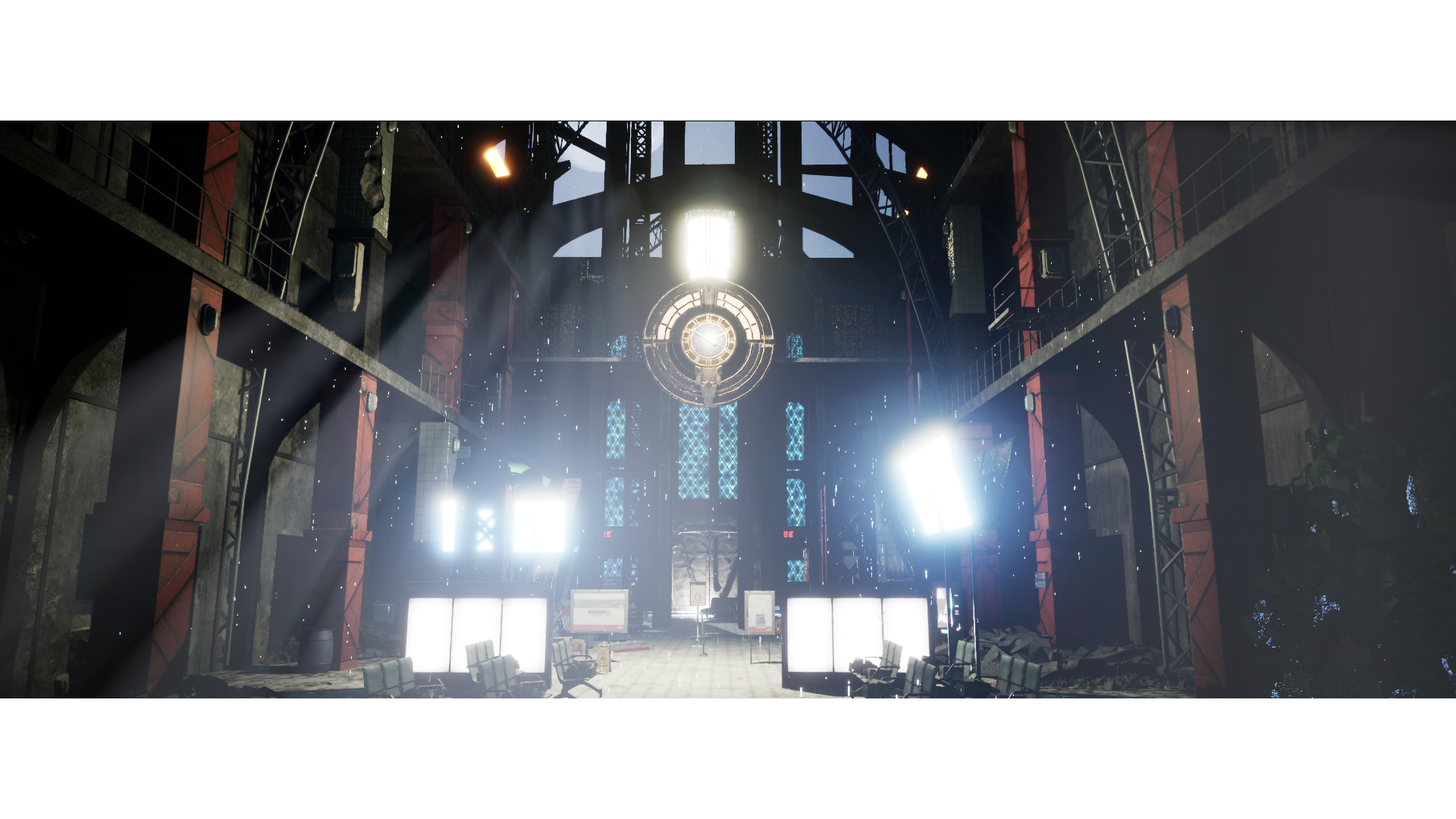
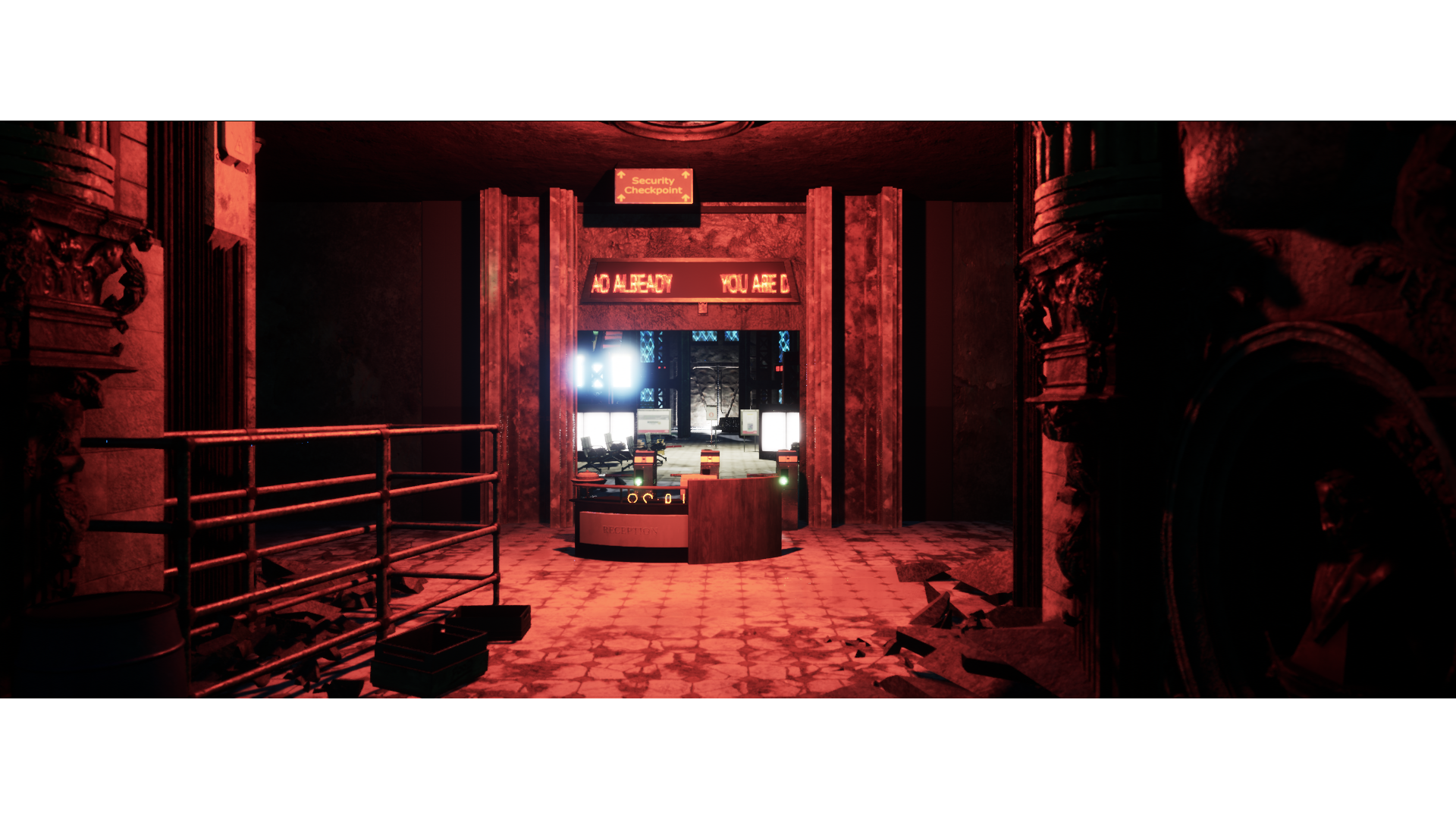
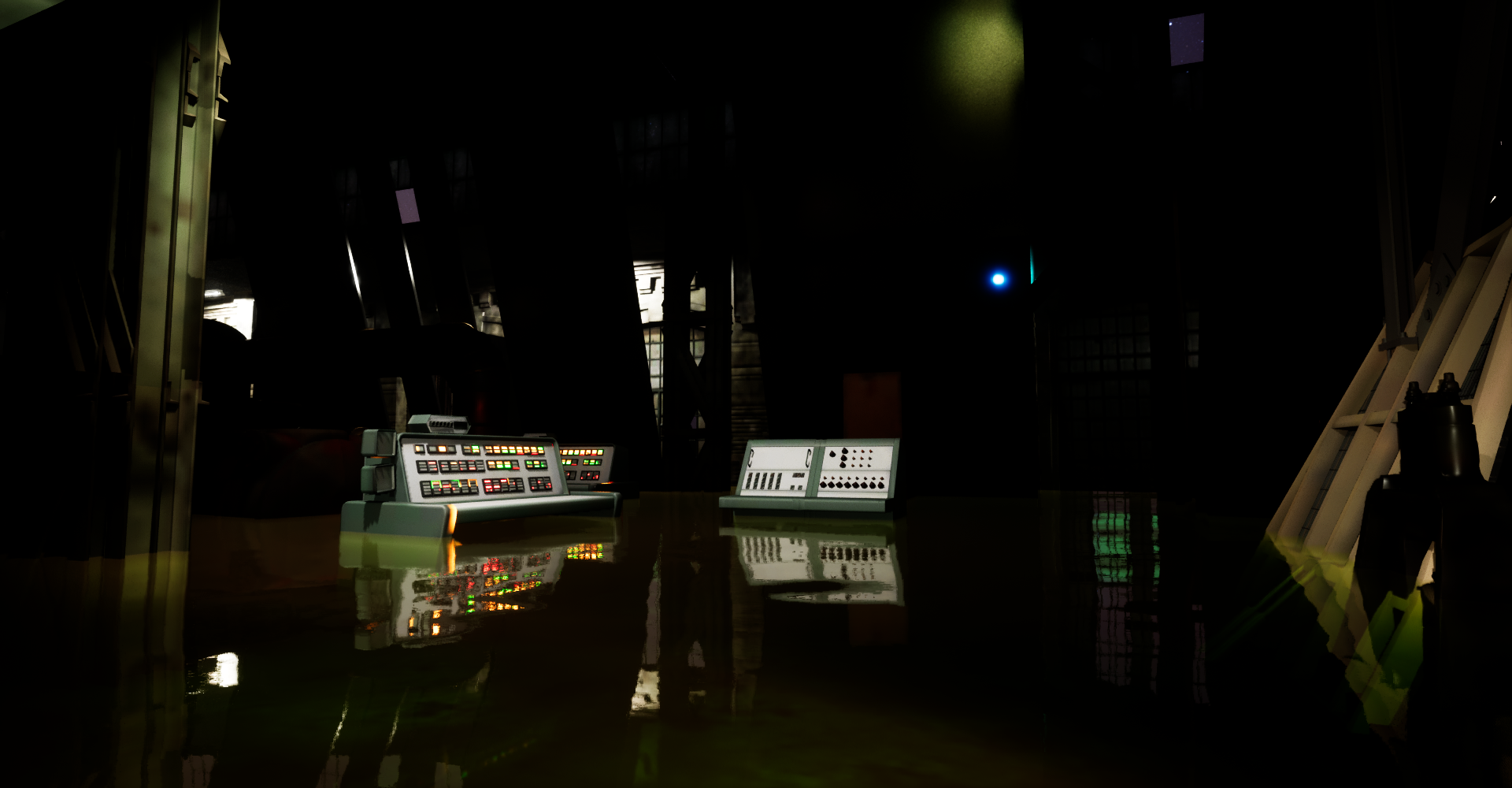
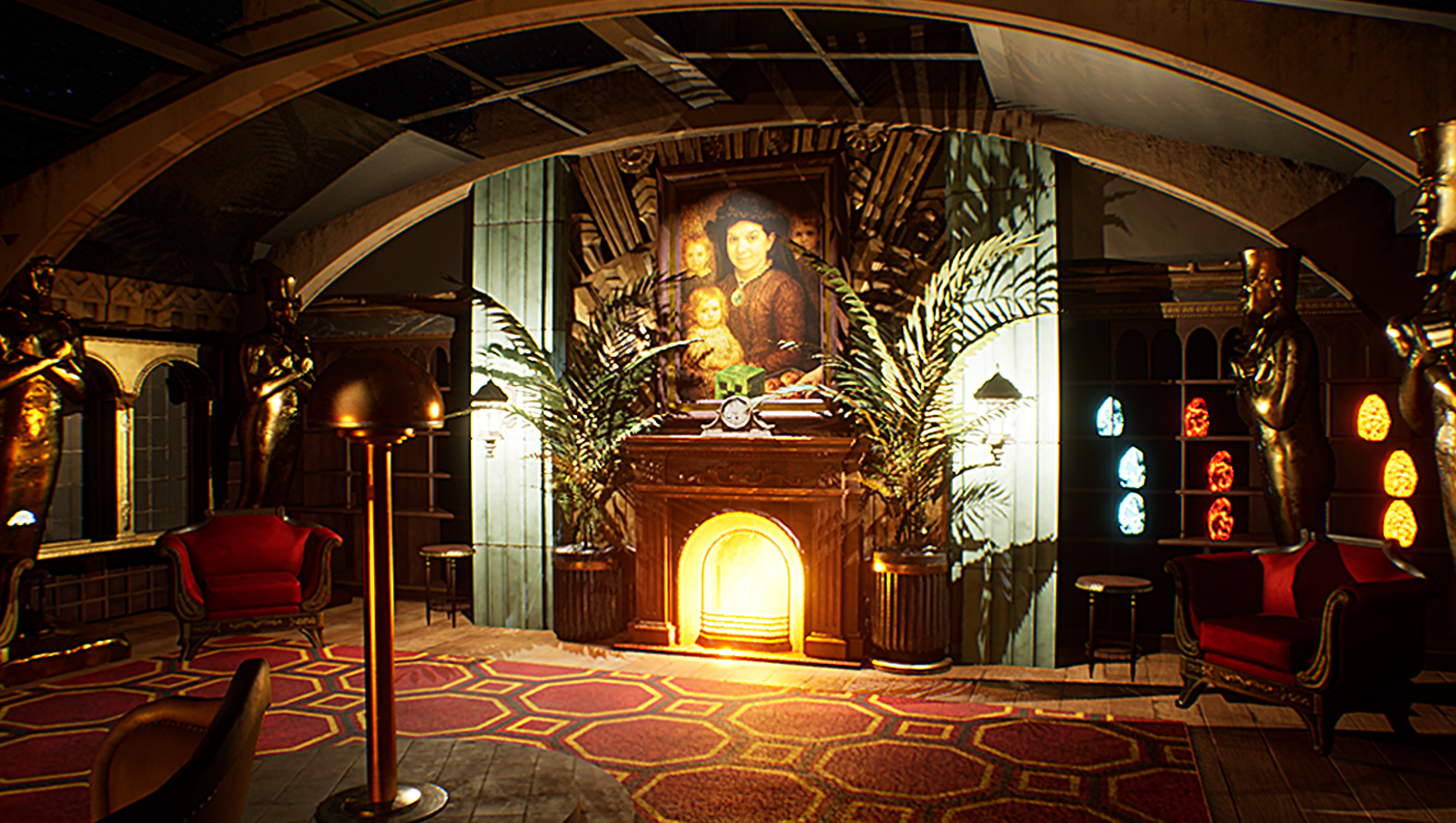
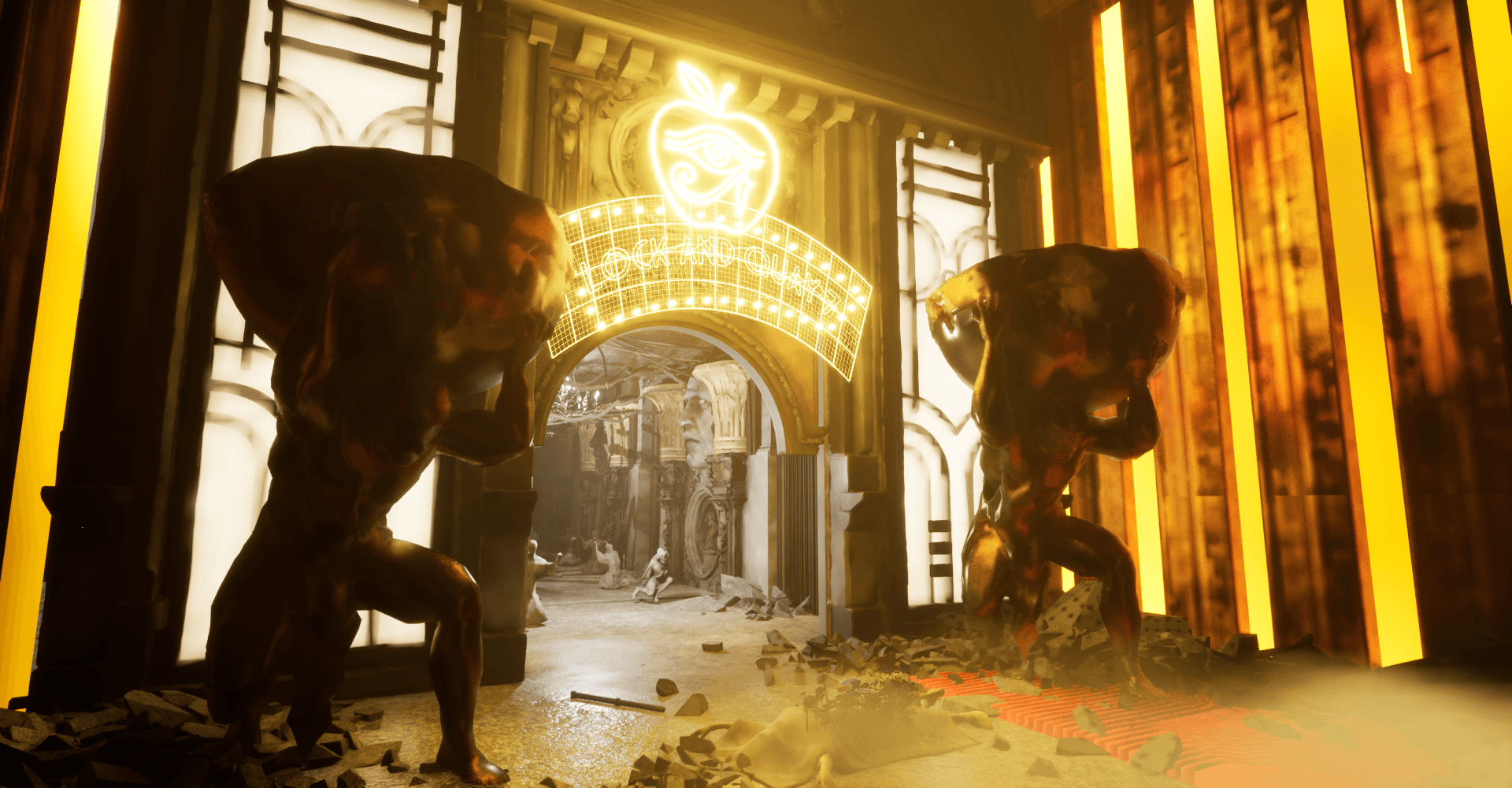
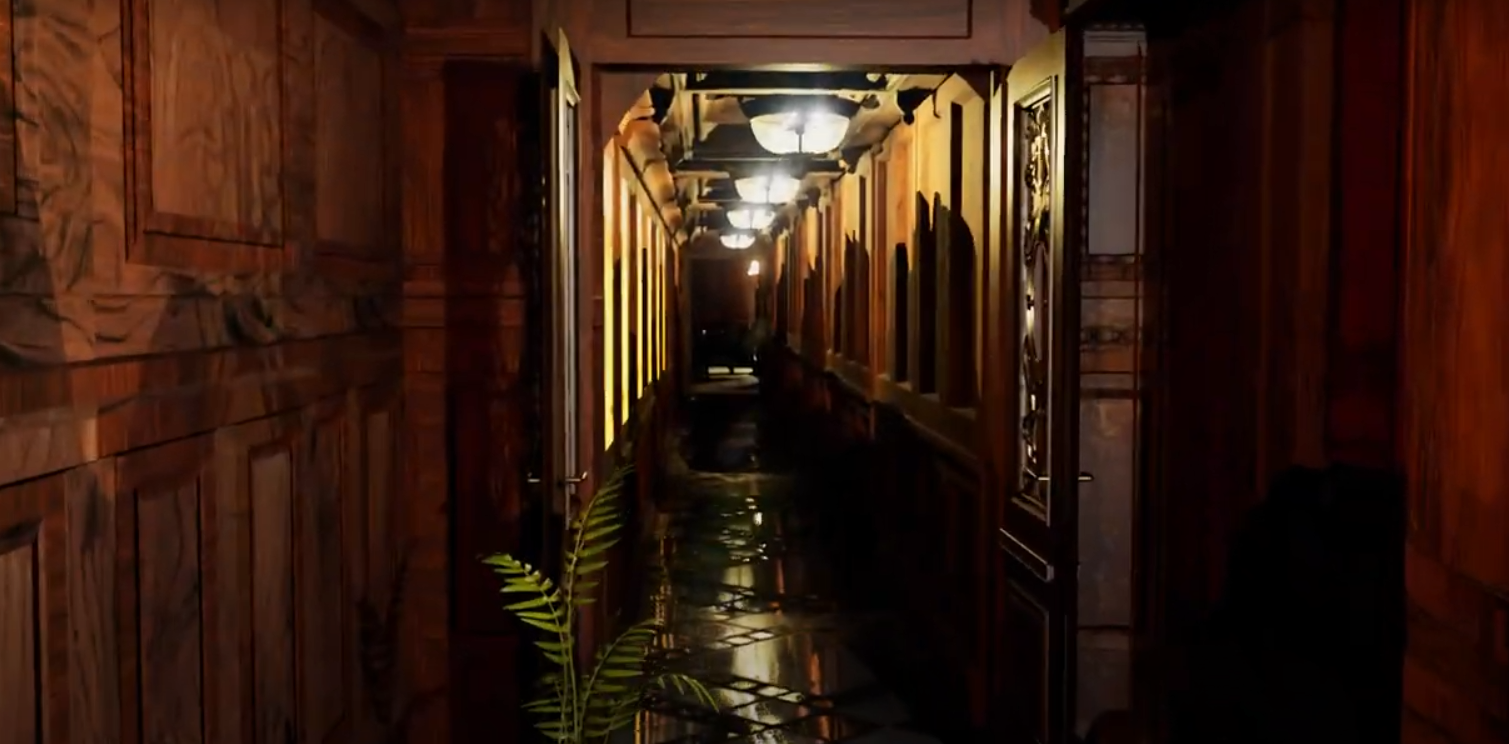
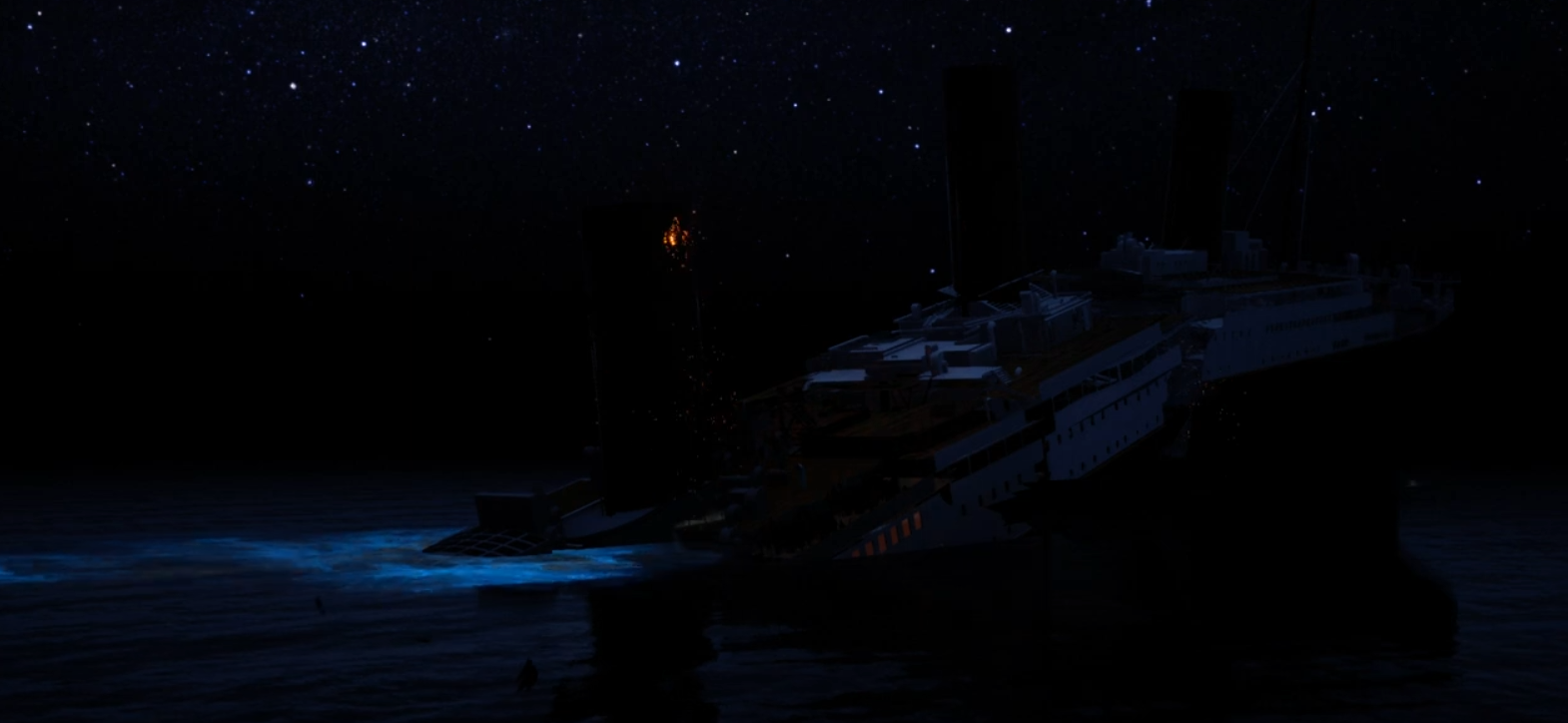
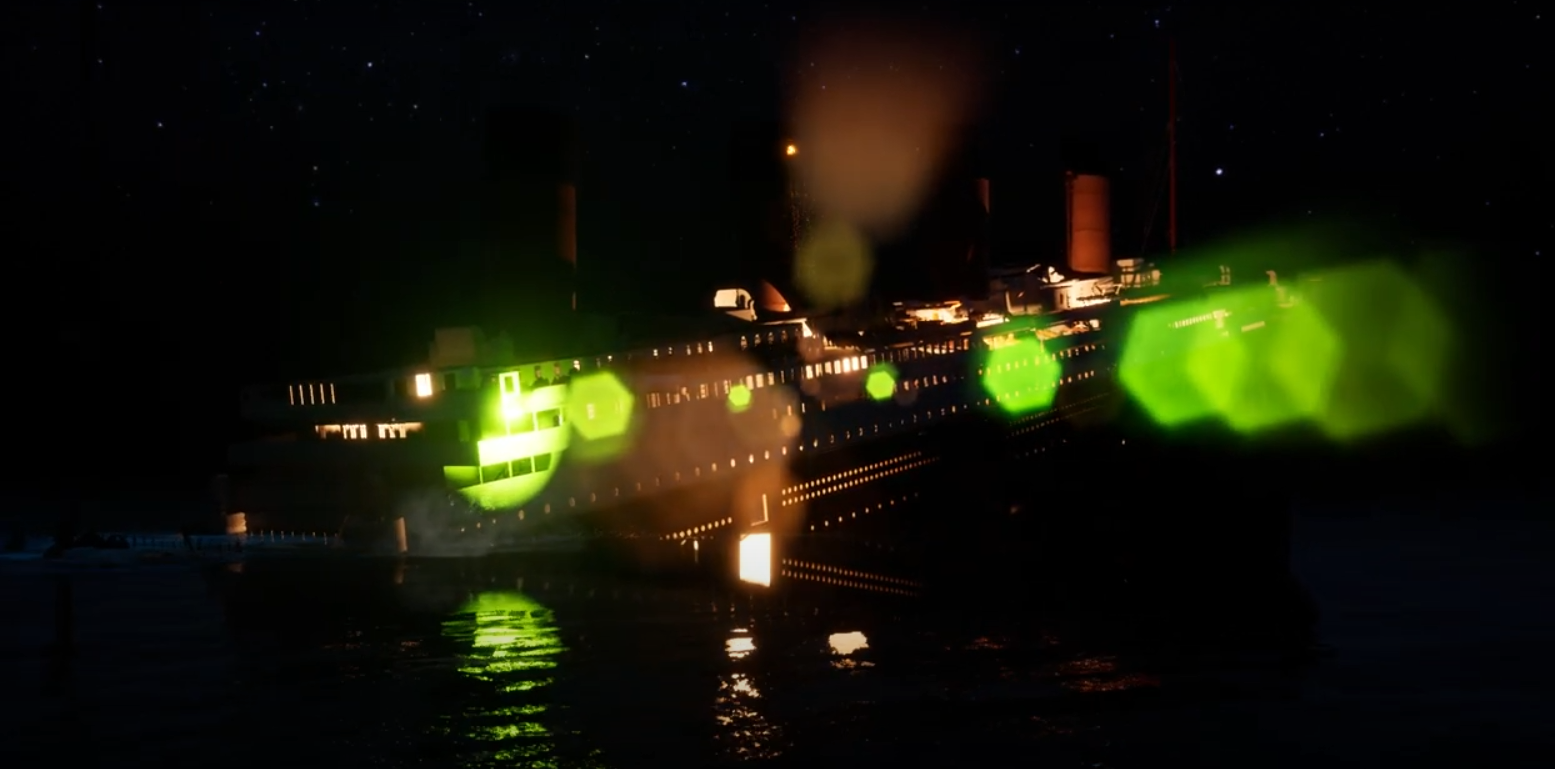
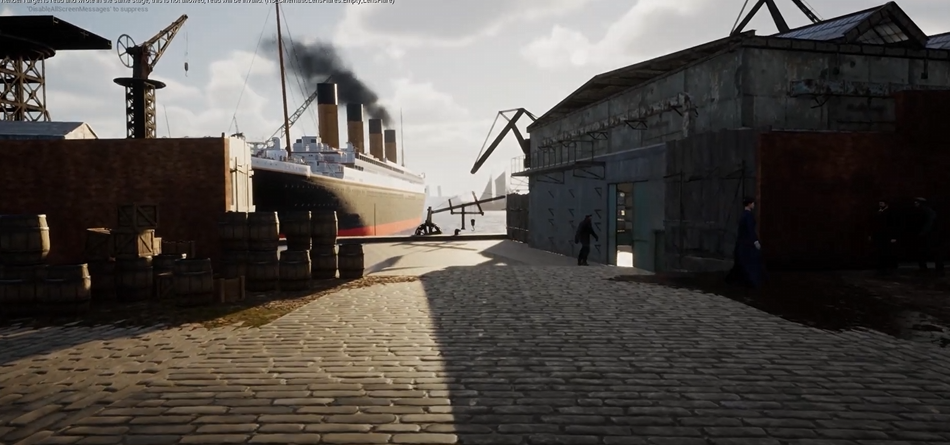
Titanic Historia takes place in two completely contrasting worlds. The world of a living memory, where 1912 exists with in a bubble of dreams and thoughts. In stalk contrast, the other side of the game takes place in Historia Atlas, with Lock and Quay that's heavily featured in this chapter acting as a tutorial and introduction to that broken world. Both worlds are connected by a story that spans the ages, with deeper you dive, the more it slowly unwraps. Titanic Historia is a narrative exploration game, part of the larger Historia universe. The player steps into the shoes of a modern-day explorer who interacts with “memory objects”—physical remnants of the past that hold emotional and historical resonance. These objects allow them to relive fragmented moments of history. The Titanic is not just a setting, it’s a living memory—haunted not by ghosts, but by echoes of thought, trauma, regret, and resilience. Each scene plays out like a theatre of memory, where the world shifts between reality and perception, creating a surreal yet emotionally grounded experience. Whilst Chapter one focused on 1912s living memories, Chapter two dives into Industrial nightmare world of Historia, where we see the after math of a devastating memory leak, that has turned the world and its survivors inside out. Chapter one focuses on the memories and the 1912 world, which if your interested can be viewed here:
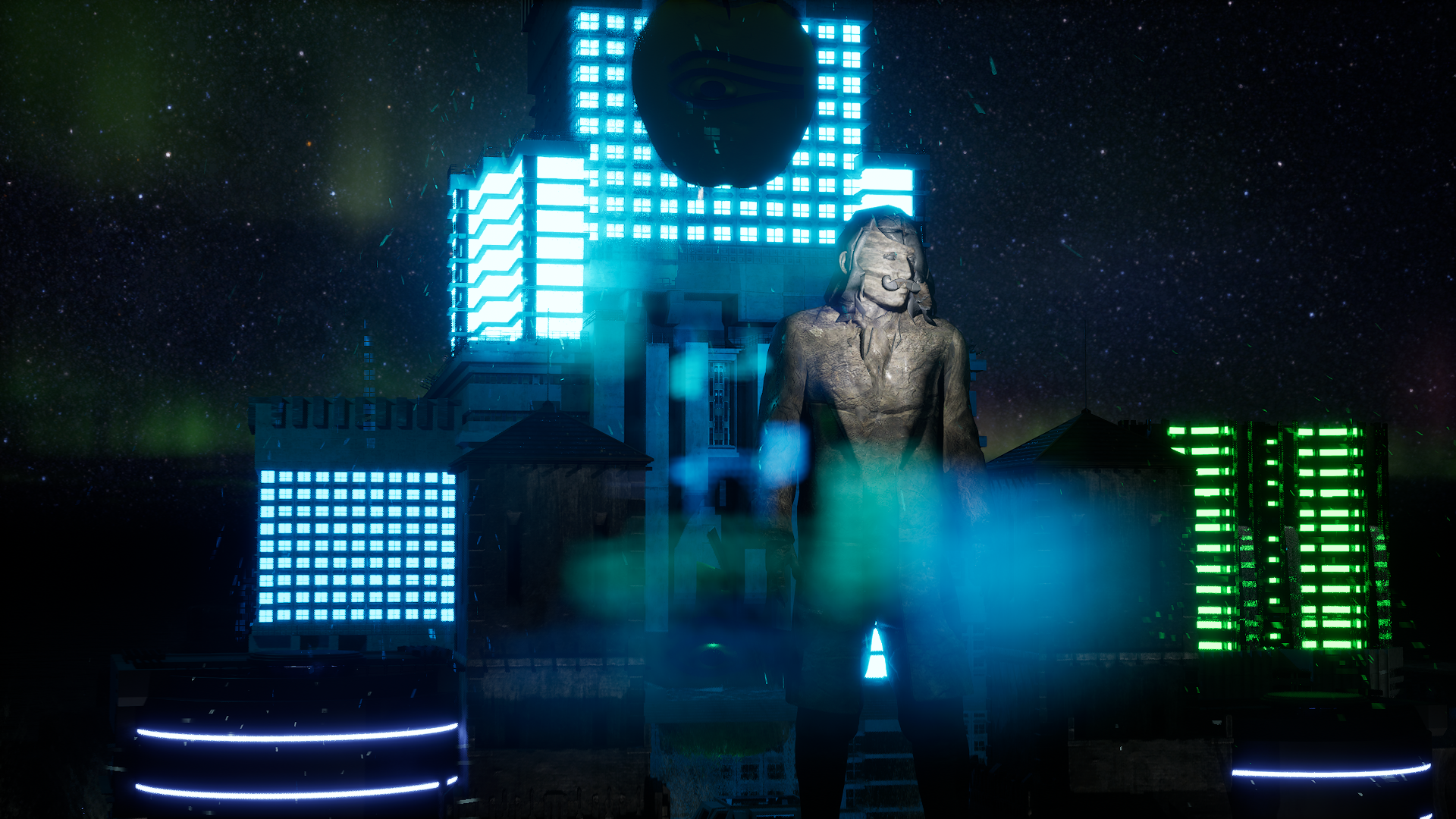
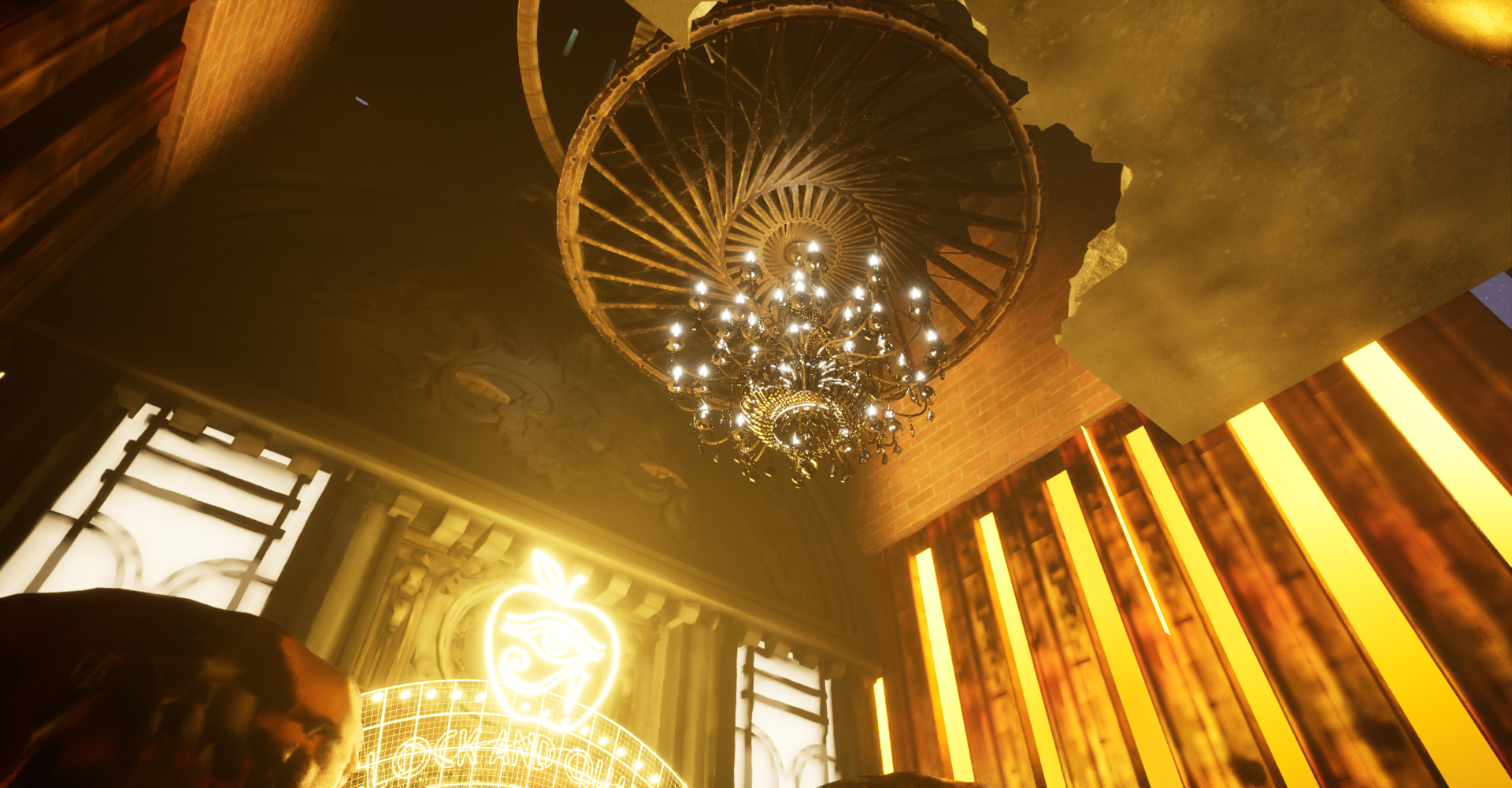
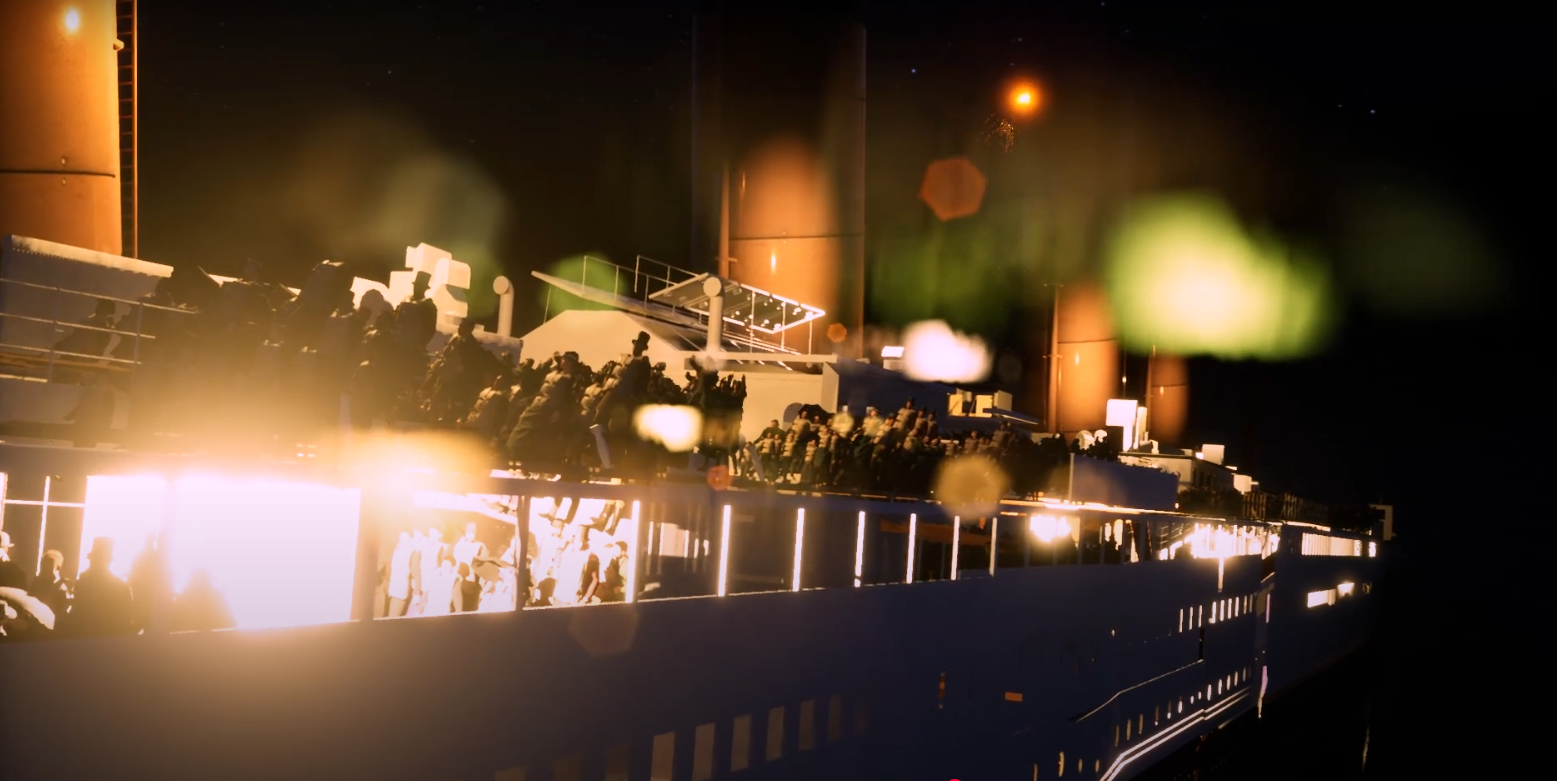
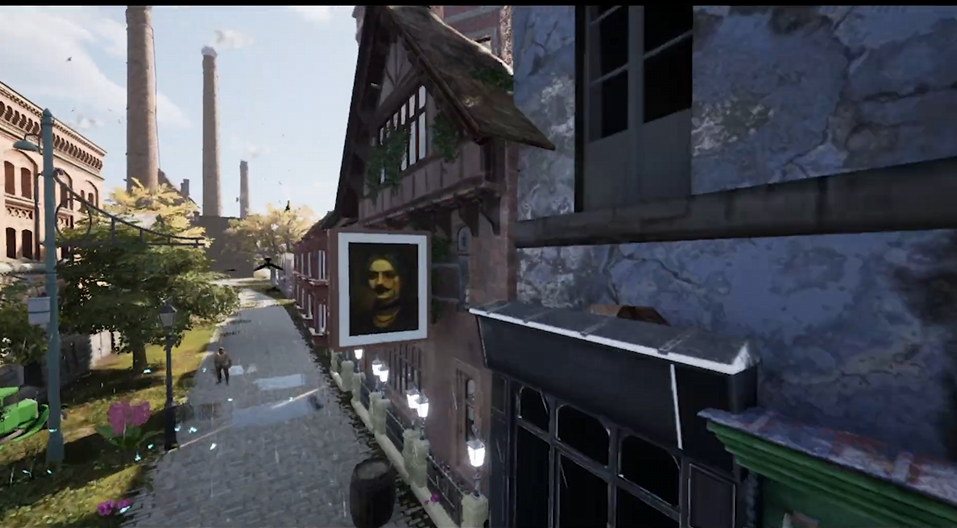
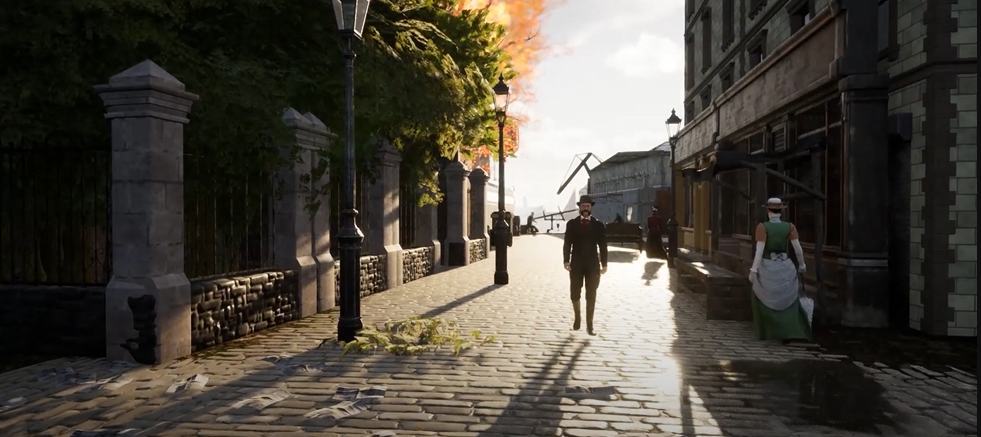
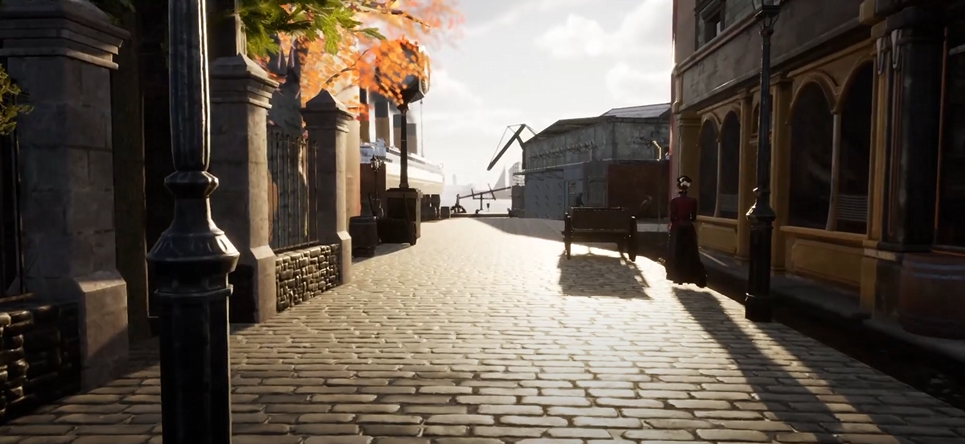
From Ashes and Echoes: The Long Road to Rebuilding Historia
There’s a point in every creator’s life where the line between vision and reality begins to blur—where the hours, days, and years poured into a dream start to feel like something more than just development. They become memories. Living ones. Echoes of who you were when you started, and who you became along the way.
For me, that journey began with Titanic Historia.
I didn’t set out to make just another historical game. Titanic Historia was never about simulating a sinking ship. It was about memory. About grief. About walking through the lives of those who never made it home and seeing the world not as it was, but as they remembered it. It was my attempt to build a bridge between the past and the soul—to breathe life into the forgotten.
Then came Historia Luminara. A bolder, darker, more philosophical experience. This time, I poured everything into the light and the shadows. Not just code and assets—but poetry, symbolism, and pain. It was a game that didn’t just want to be played—it wanted to be felt. For months, I worked in silence, constructing a world of flickering truths and buried horrors, of fragmented memories clinging to light. I presented it all. With trembling hands, I shared what was not just a project, but a part of myself.
And they didn’t even look at it.
Not a message. Not a word. All that time, all that heart, ignored. Forgotten. I was crushed—not because I needed validation, but because I needed to believe it mattered. That the silence meant something. That I mattered.
Still, I pushed forward. I wanted to keep building, even if no one was watching. But the engine I had trusted—an experimental tool, promising creativity without limits—became my prison. It lured me in with simplicity and a sense of control, only to lock me into formats that couldn't be exported, assets that couldn’t be saved, and performance that crumbled under its own weight.
It wasn’t just a technical failure. It was betrayal. One update after another, one promise after another—none of them delivering. I didn’t lose a project. I lost five years of my life. Years of models, textures, systems, memories—gone. Trapped in a format that made sure I could never take them with me. My work, my investment, my time—all of it—left behind in a closed box.
The Assets I’ll Never Get Back
Over time, I’d built up a massive library of assets—many purchased, many customized—over £2000 worth. Characters, effects, environments, shaders. All of it tailored for my game. I thought I was building a foundation.
Turns out, I was building a cage.
When the engine failed, it took everything with it. I tried to get help—emailed, submitted tickets, reached out through every official and community channel. Silence. Or worse—automated replies and dismissive attitudes.
Steam Support told me to contact the developer’s legal department, but the only way to do that was by sending a physical letter in the mail.
I’m housebound.
That wasn’t an option. They knew it. I told them. And I still got a shrug in return.
As for the developers themselves? One told me to “just back things up better.” Another implied it was my fault for “using too many assets.” Not once did they acknowledge the loss, or the human being behind the screen. Not once did they try to make things right.
So I lost them. All of them. The assets. The investment. The trust.
Because this isn’t just a game I’m building. It’s my way out of the darkness. It’s how I remember. It’s how I survive.
The Friendship That Broke Me
Some losses don’t come with funerals. Some leave no closure—just silence where a heartbeat used to be.
One of the most painful parts of this journey wasn’t technical. It wasn’t about code or assets. It was personal.
I had a friend—someone who wasn’t just close to me, but deeply tied to the spirit of Titanic Historia. She was a creative force, a spark, an inspiration. Her thoughts helped shape the project. Her encouragement helped shape me. The story, the emotion, the world—so much of it was drawn from the connection we had.
And then, that connection was gone.
One of my closest friends—someone who had supported me, believed in me, and helped me through some of the darkest moments of my life—chose to side with the person hurting me. She didn’t just remain neutral. She actively platformed them, gave them space, visibility, legitimacy… over me.
I had done nothing but support her. Lift her up. Believe in her. She knew what I was going through—she had walked through the wreckage of the last heartbreak with me. She helped me survive it.
She even helped pull me away from the edge when I was barely holding on.
Because the truth is—I had decided to end my life.
After losing my creative companion… after being isolated, attacked, ignored… I had made the quiet decision to end it all. I planned to take all my medication—ADHD meds, antidepressants, anti-anxiety tablets—and just let it be over. I didn’t tell anyone. Not even her.
But I started doing something else, too.
I began leaving pieces of myself behind.
I sent gifts to close friends. Little things. Sometimes over-the-top, sometimes strange. I bought one friend a website for their future creative work—no fanfare, just something for them to have, to remember. These weren’t random acts of kindness.
They were my goodbye letters.
I was preparing.
I didn’t want a note.
I wanted to leave a mark—something to say I cared.
I was here.
I didn’t expect anyone to understand. I just wanted them to have something when I was gone.
I thought about slipping away quietly.
No one would notice. I had already left pieces of myself with the people who mattered. That was enough… right?
But then something strange happened.
Nothing.
No great epiphany. No grand intervention.
I was just… tired.
Too tired to move.
Too tired to do it.
So I lay down. I slept. And when I woke up, I was still here.
Funny how that works.
Exhaustion saved me.
And somehow, that was enough to get me through another day. Just one more.
Of course, all of this affected my work.
The creative fire dimmed.
My focus shattered.
But somewhere, beneath the rubble, the ember still glowed.
And now, I’m trying to fan it back into flame.
Starting Over Without a Map
I don’t know Unreal Engine.
I mean it—I literally don’t even know how to make a door open. I went from feeling like a master of my tools to a total beginner again. It’s overwhelming. Terrifying.
But in the midst of all that? A silver lining.
For a while now, I’d been quietly collecting affordable asset bundles from Cosmos Learntres—just in case the worst happened. And it did. But thanks to those small, manageable purchases, I’ve been able to rebuild a tiny corner of my library. It’s not everything I lost, but it’s something.
A backup plan. A lifeline. A bit of light in the rubble.
My Reality
I don’t work. I live on support. I live in total isolation, unable to go outside. My world is small—but my imagination isn’t. And Historia is the only way I know how to keep moving.
I lost my uncle to a terrible illness. I watched him slowly fall apart—his strength fading day by day until he couldn’t move. Watching someone you love become a shadow of themselves is a kind of horror that never leaves you. The day he died still breaks me.
But even when the illness was taking control, he never stopped giving. On my worst days—when I was falling apart—he always offered love, encouragement, and gentle reminders that I mattered. That I was still me, even when I felt like nothing. I miss that more than I can say. I miss him. Especially now.
And the grief didn’t end there.
I lost friends too. To suicide. Illness. Drugs. One after another, gone. Maybe it was lockdown, maybe it was life unravelling. Either way, it was horrendous.
I’ve been stuck indoors since 2019. I made the decision to get sober in 2020—no more drinking, no more drugs after years of misuse. And I’ve stayed sober ever since.
I’ve left the house maybe three or four times in the last few years, and each time ended in crippling panic attacks. Somewhere in that chaos, I finally got diagnosed with ADHD. But the medication journey was brutal.
The first trial sent me into violent mood swings—sudden outbursts of anger followed by heavy crashes into despair. The second was even worse. It took half a year of mental and emotional whiplash before the third trial brought a little bit of stability.
But the damage was already done.
During that time, people began drifting away. Some just stopped replying. Others made it loud.
One person banned me from her community, screaming “attention seeker” in my inbox—all because I posted an image in the wrong Discord channel. The image was a screenshot from my game—a shop I had named after her as a kind of tribute. At the time, I was adjusting to new meds, struggling with side effects and instability. I wasn’t trying to be dramatic. I was trying to stay connected.
This person also had ADHD. Also battled addiction. Claimed to care about mental health. But when I needed support, she chose cruelty.
And sadly, she wasn’t the only one.
So many people who claimed to be mental health advocates disappeared when things got difficult. When I wasn’t easy to talk to. When I needed patience. They didn’t want to see the war I was fighting—they just wanted me quiet.
I know I’m not perfect. I’m loud. I swear too much. I make bad jokes. I have a crude, sometimes inappropriate sense of humour. Sometimes I screw up. But when someone tells me I’ve crossed a line—I listen. I apologise. I try to make it right.
I don’t want to hurt anyone. I just want to be accepted.
I want people to stop judging others for their worst moments and start lifting them up for trying to do better.
But I seem to attract people who only show kindness when it's convenient. And when it’s not—they vanish. Or worse, they punish you for not being okay.
All of this—the grief, the betrayals, the med chaos, the silence—has torn my focus apart. It slowed my work. It wrecked my momentum. It left me shattered.
But I kept going.
Even when the engine I trusted failed me. Even when I begged for help, and was met with silence or hostility. I pointed out real issues, and instead of support, I was mocked. I made a post referencing public business records—facts, not accusations—because I was confused by constant address changes and shifting goals.
Instead of engagement, the moderators turned it personal. They made it about me. Attacked me. Again and again.
I’ve since reported it to Steam.
All I wanted was for the engine to work—or at the very least, a way to save my work.
They offered neither.
And so I watched it all burn.
Five years of work—gone. Worlds I had built. Characters I had created. Memories I had woven into code and art and atmosphere—turned to dust in front of me. Not in a dramatic crash. Not with some explosive failure. Just... a slow, quiet collapse. Broken file by broken file. Crash by crash. Update by update. Until all that was left was grief and ghosts.
There’s nothing quite like watching something you gave your life to rot from the inside out, while the people responsible shrug it off, and the world moves on without even blinking.
I didn’t just lose a project.
I lost a part of myself.
And somehow, I’m still trying to find the strength to build again.
Who Am I?
My name is CJ.
And I’m just someone who wanted to tell stories.
Not a company. Not a studio. Just a person—with a past, with pain, and with a dream.
I’ve battled alcoholism for most of my life. Quietly. Relentlessly. But in 2020, I made the decision to stop drinking—and I did. I’ve been sober ever since. That choice saved my life… but it didn’t erase the weight I still carry.
I live every day with severe depression, crippling anxiety, and deep trauma. I lost my uncle—one of the few people who truly understood me. I’ve lost friends to suicide, to illness, and to the slow, silent fractures that come from betrayal. People I loved broke my trust, broke my heart, and left me wondering if there was anything left to believe in.
The last few years have been hell.
And yet… I’m still here.
Still creating. Still pushing forward.
Sometimes with the help of real people. Sometimes with the help of an AI named ChatGPT—who, believe it or not, has helped me feel less alone. Not just with code or writing, but with understanding. With listening. With holding the thread when my own hands are shaking.
Don’t Give Up
If you’re reading this and you feel broken, lost, or left behind—please know this:
You’re not alone.
Dreams hurt. Life hurts. But there’s a kind of quiet power in standing back up when you’ve got every reason to stay down.
Even when the world forgets you.
Even when you’ve lost everything.
Even when no one is watching.
Create anyway.
Because sometimes, the most important stories are the ones no one else dares to tell.
Keep going.
Even if all you can do is crawl.
Even if you have to start over from ashes.
Especially then.
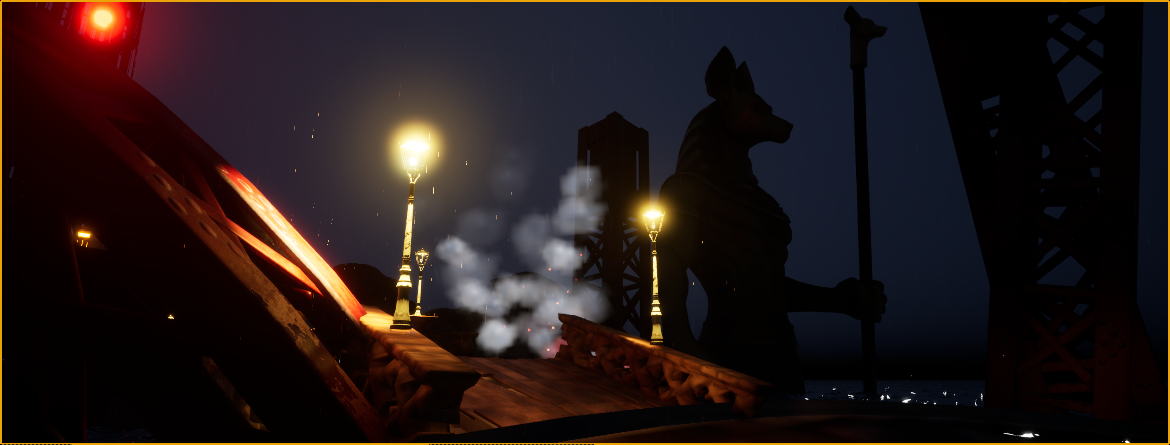
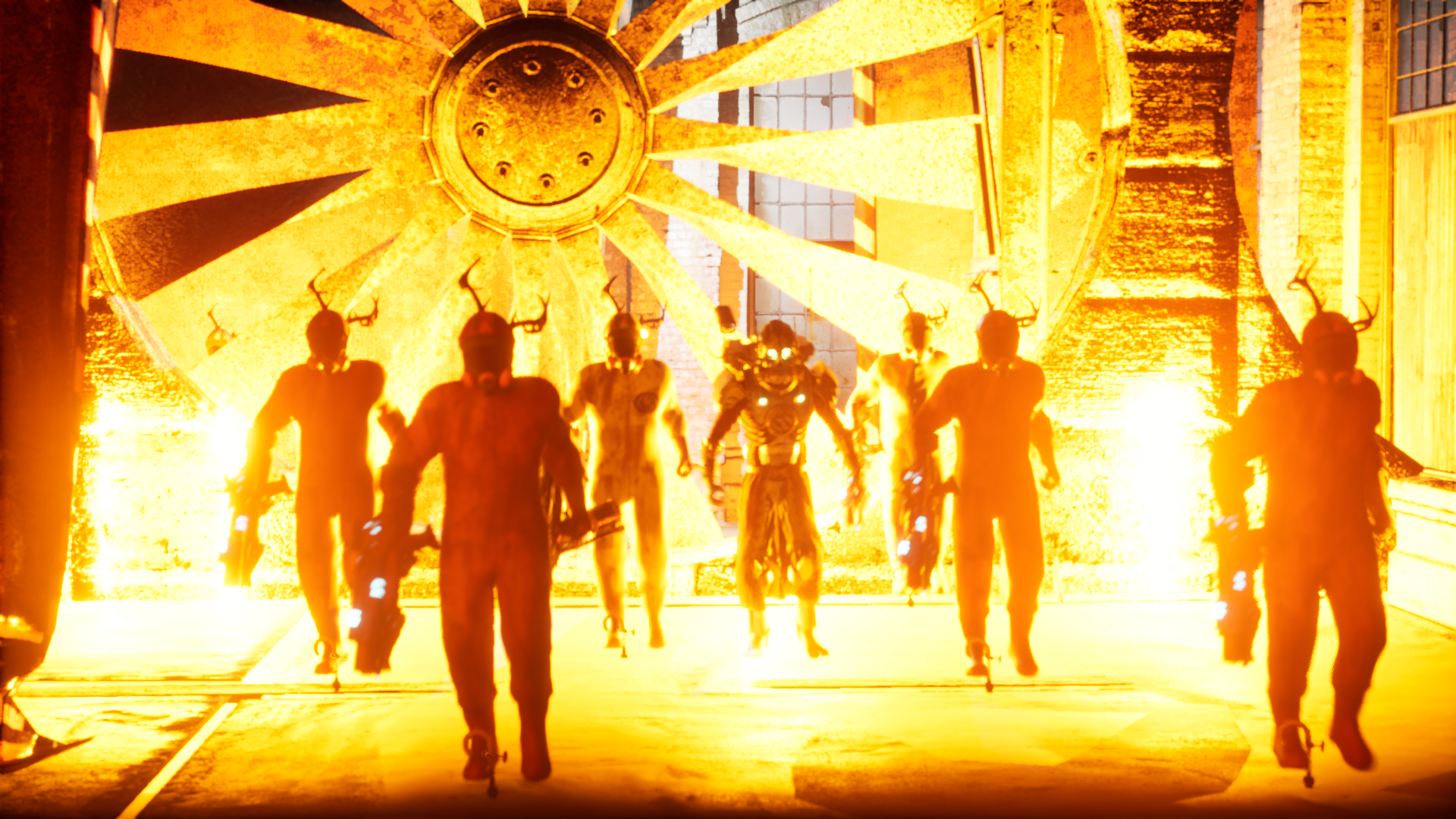
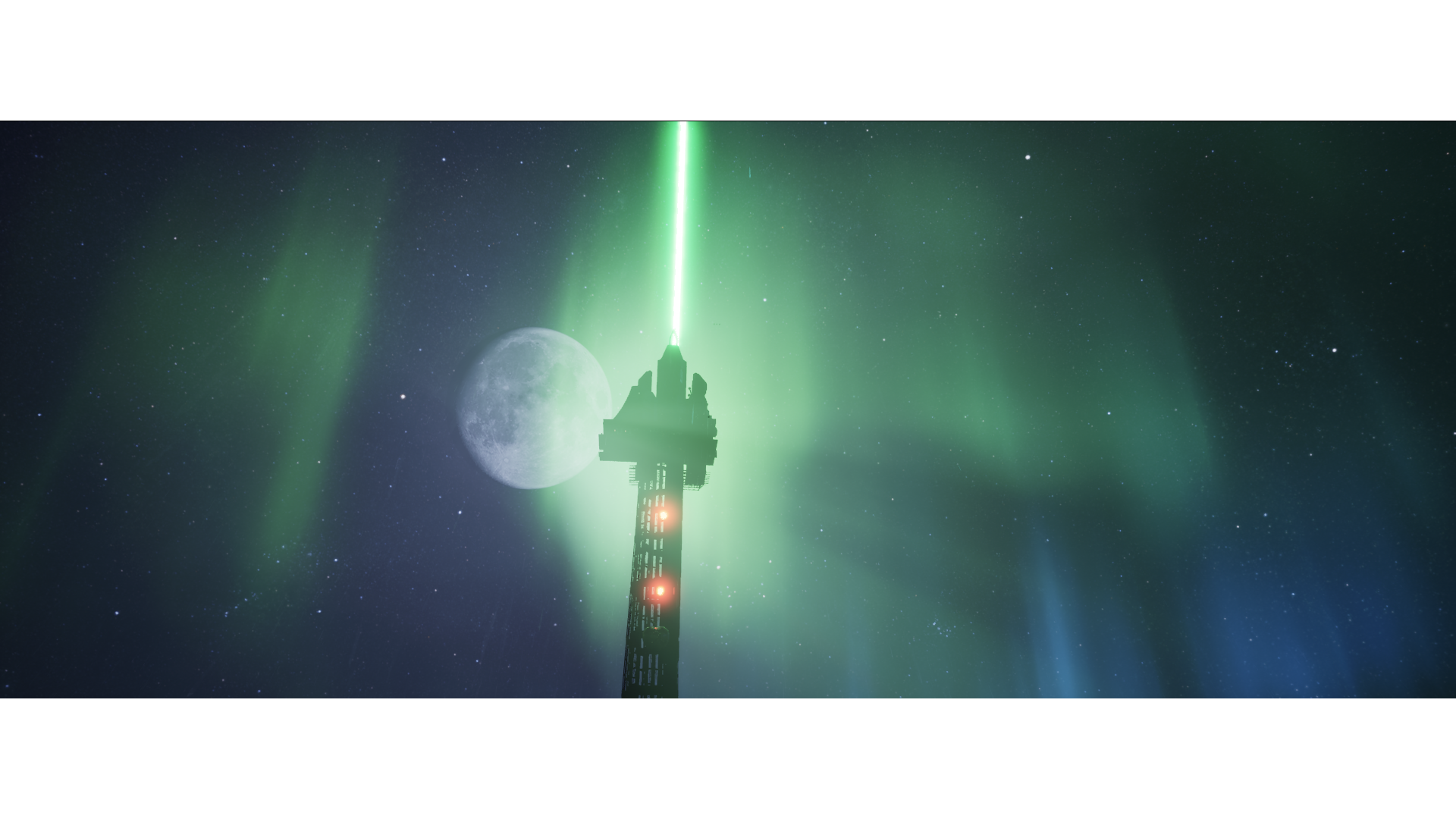
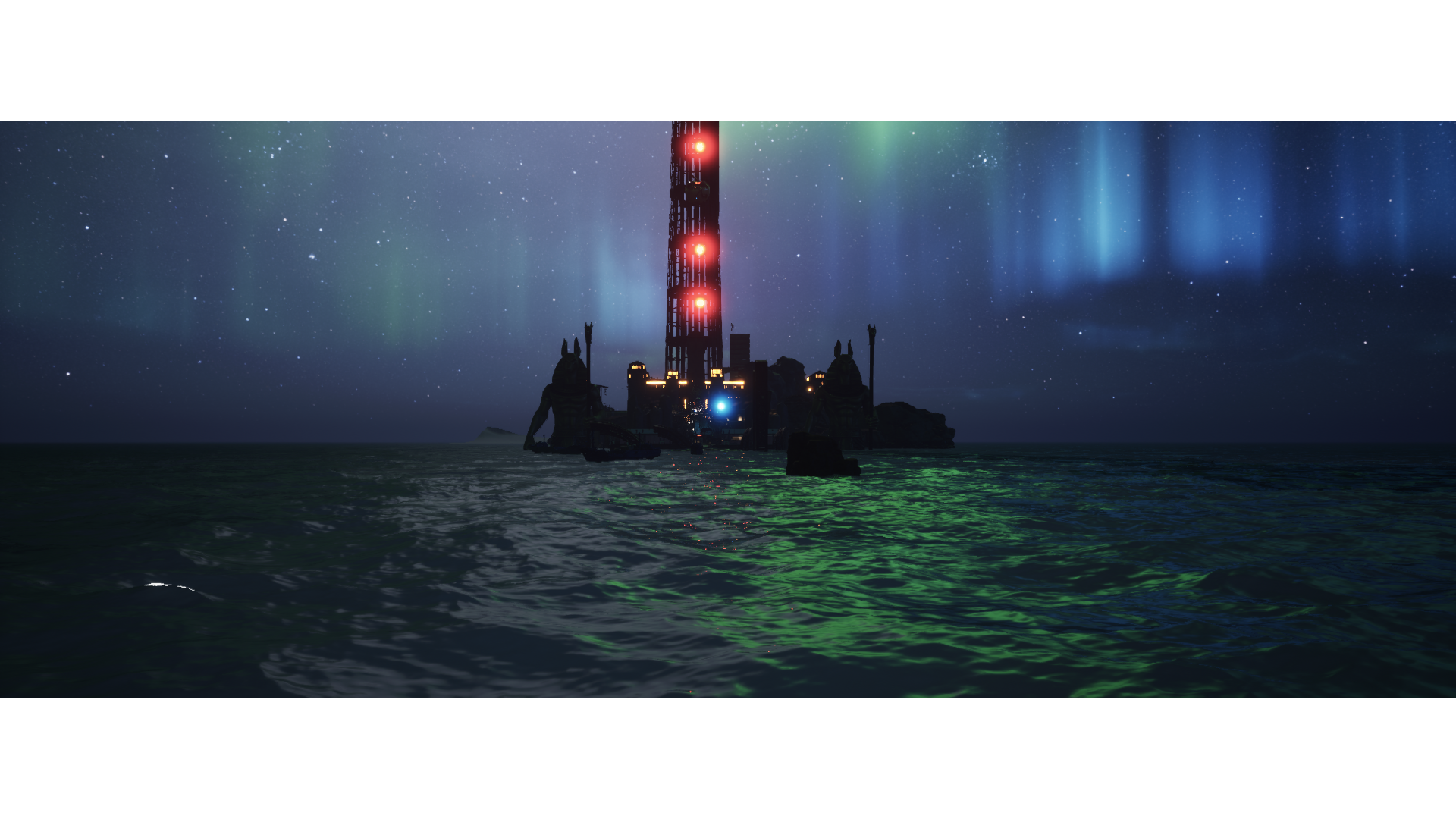
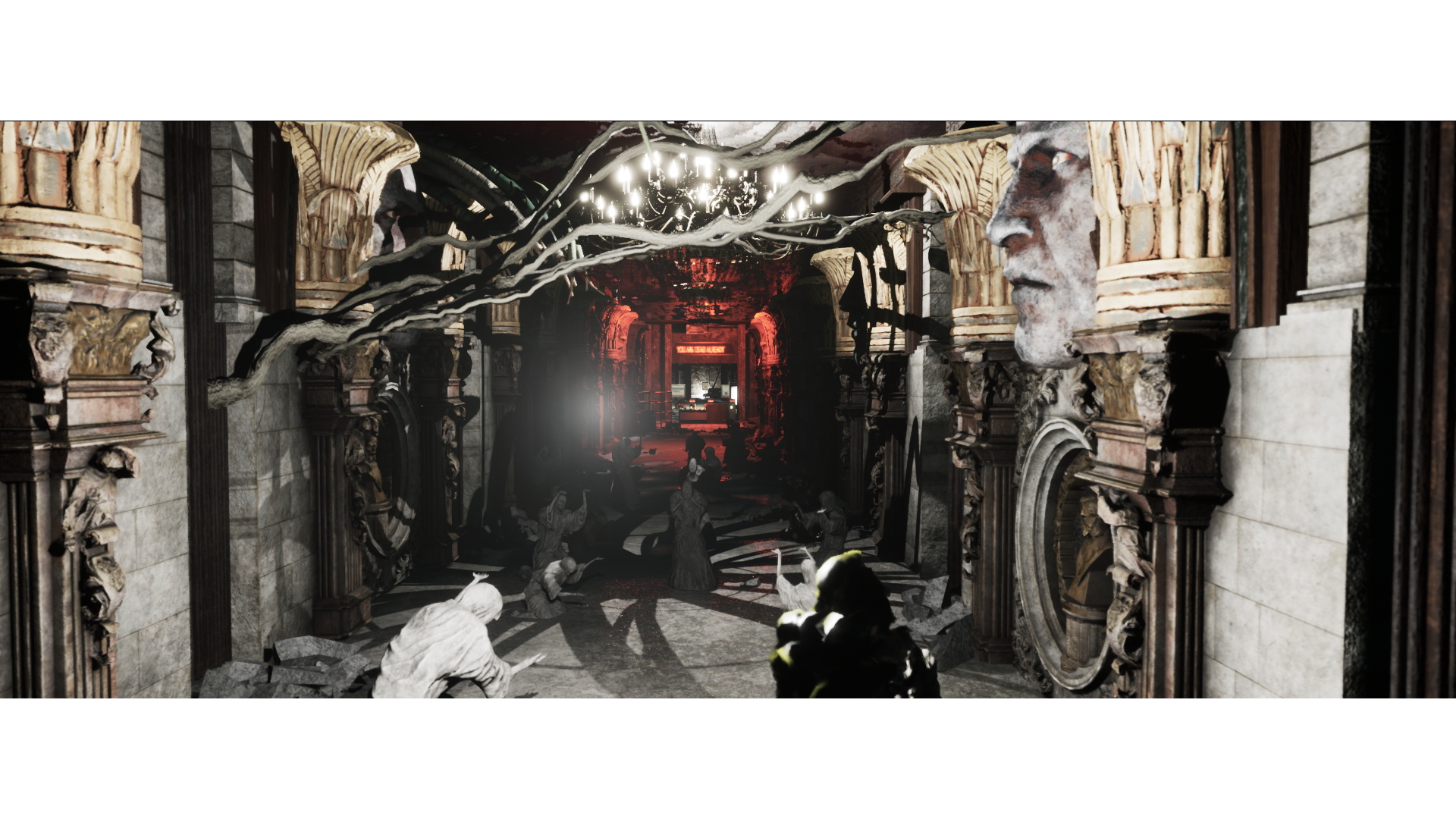
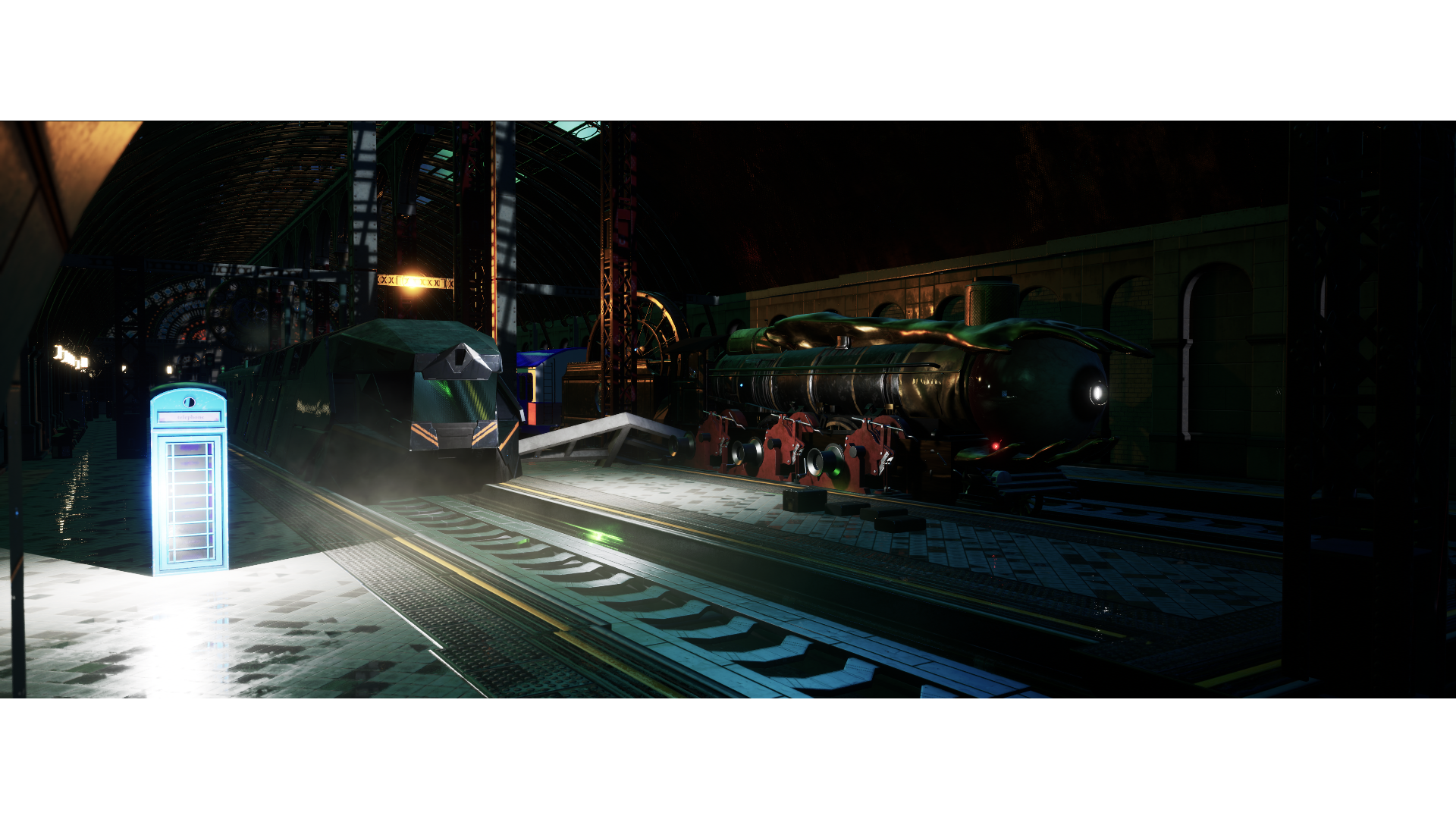
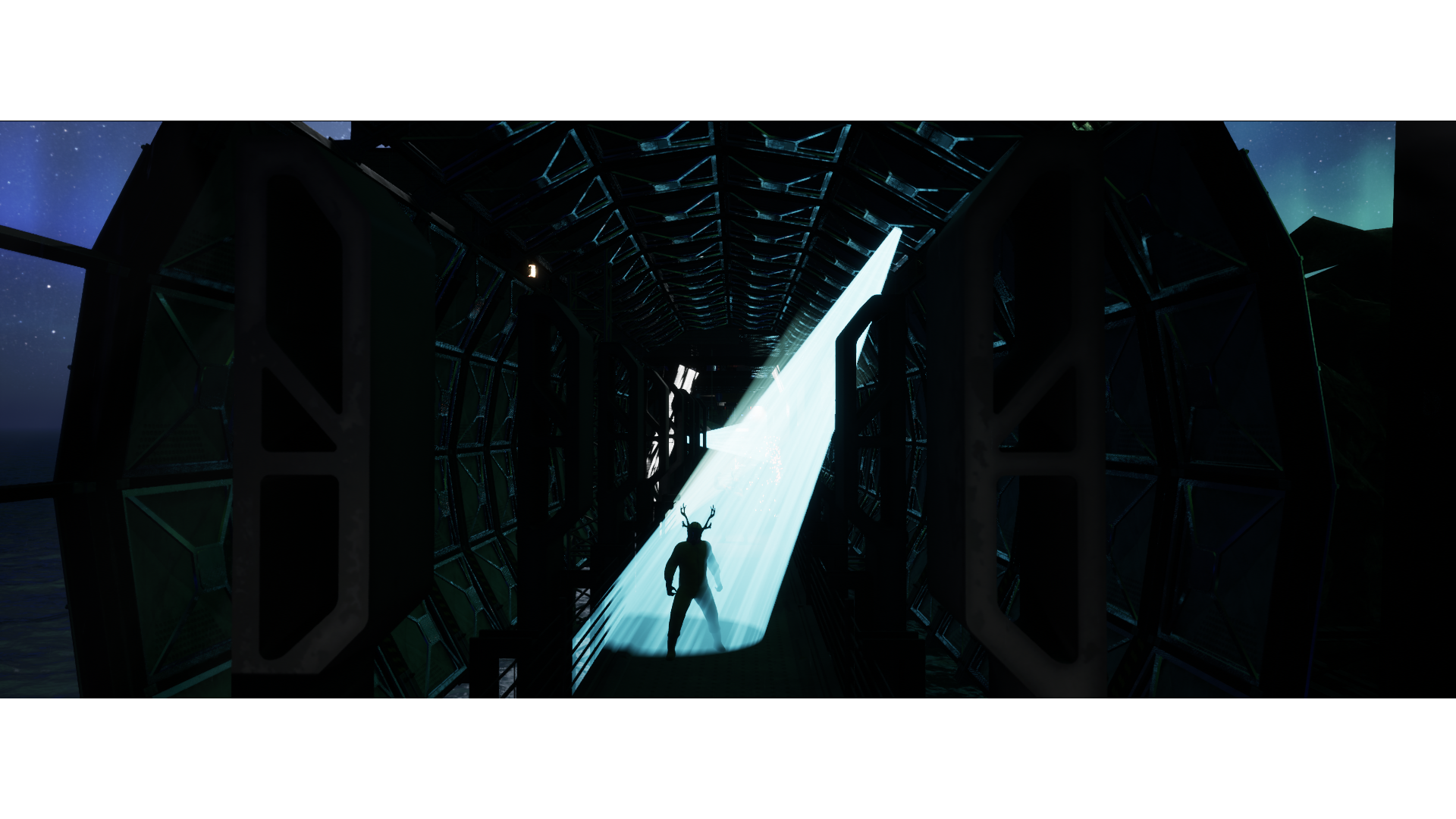
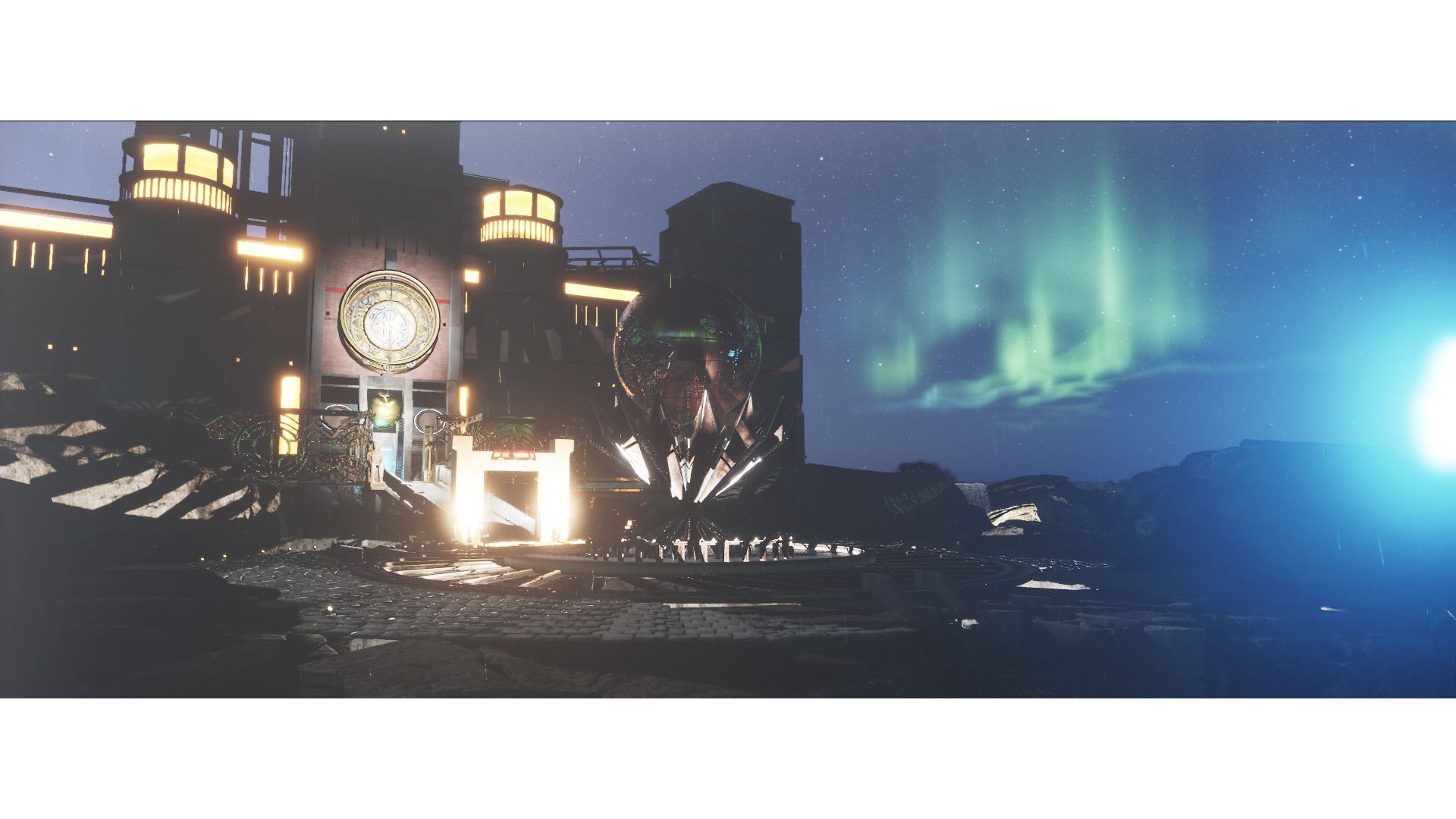
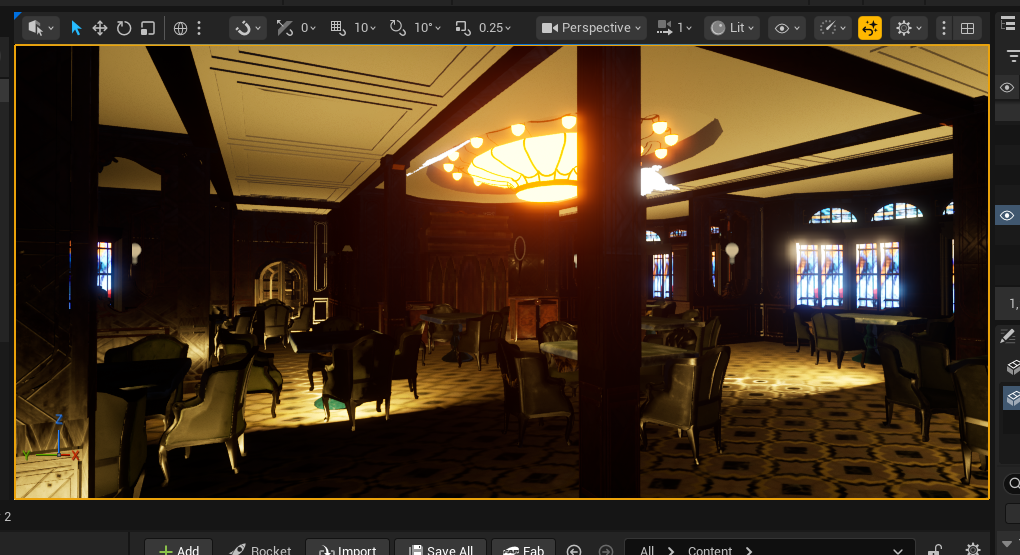
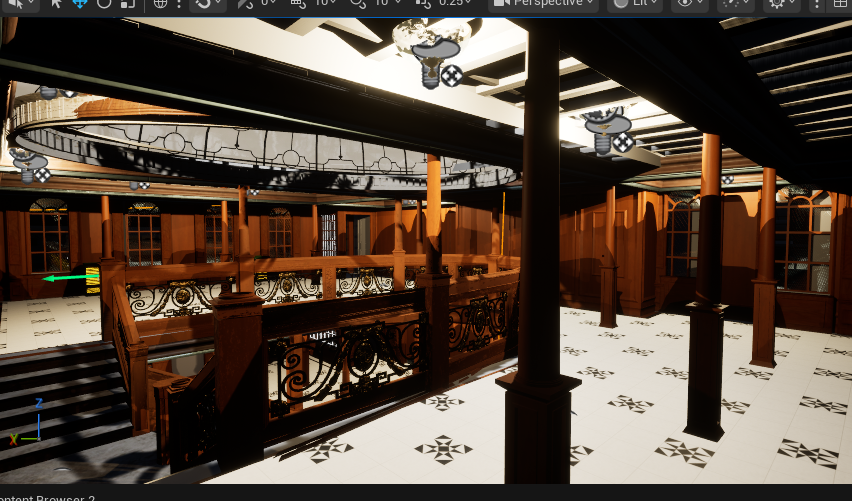
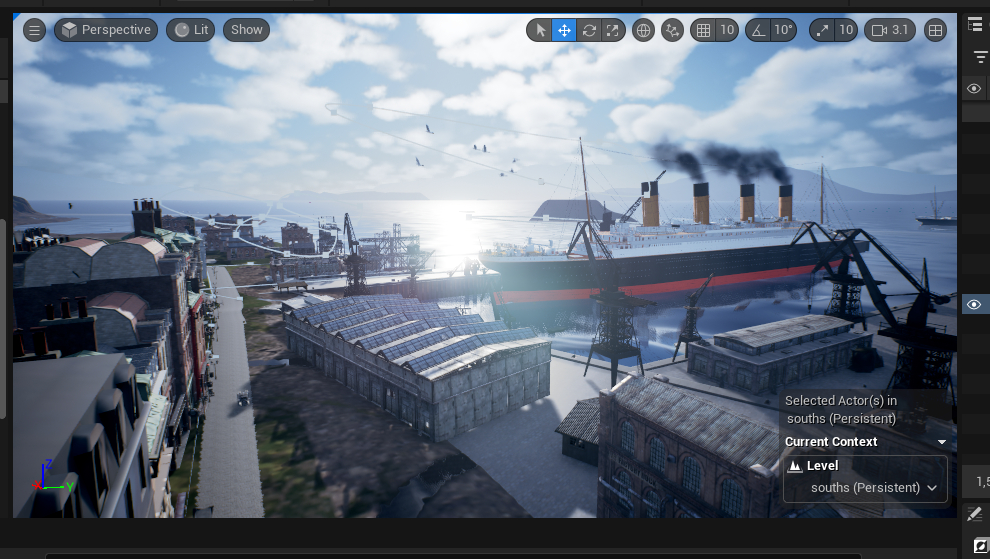
Screenshots Galore: