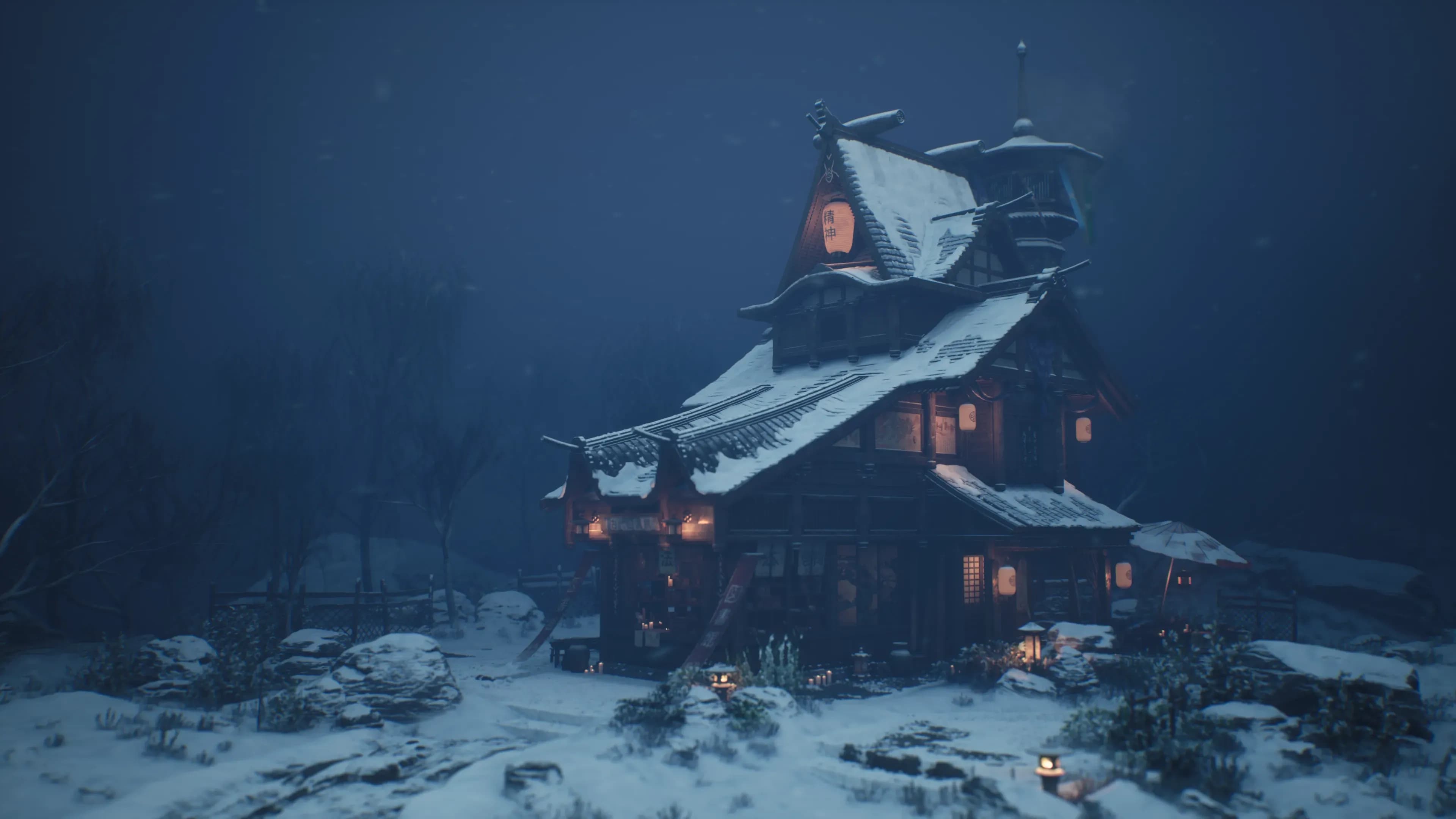
When you think of iconic games, what do you retain? Is it gameplay, the storyline, or the experience of amazement as you first set foot in its world? For most people, the appearance of a game's world and how it feels stay behind. Whether you're aiming for hyper-realism, a stylized bolder appearance, or a retro nostalgic vibe, designing a unique art style for your 3D game world is the key to standing out. Let us take you through it step-by-step so that you can create a world that gamers will never forget and maybe even make your project more visible.
(Hint: Tools like those at Cosmos can help!).
Why Your Art Style Matters
Your game’s art style isn’t just eye candy. It’s a storytelling tool. It sets the tone, defines the mood, and pulls players into your universe. Consider Cuphead's 1930s cartoon aesthetic or Breath of the Wild's creative liberty. These are for a show and intentional choices that shape the player experience.


Step 1: Define Your Vision
Before you open Blender or Unreal Engine, ask yourself: What’s the soul of my game? Is it a gritty sci-fi epic begging for photorealistic detail? A whimsical adventure that thrives on bold colors and quirky shapes? Or maybe a retro throwback with pixelated charm? Nail down your game’s personality first. Pro tip: Sketch a mood board and grab inspiration from films, paintings, or even nature. This keeps your team (or just you) on the same creative page.
Step 2: Pick Your Aesthetic Lane
There’s no one-size-fits-all here, but most 3D game styles fall into three buckets:
Hyper-Realism: Think of lifelike textures, dynamic lighting, and subtle imperfections. Games like The Last of Us Part II nail this with painstaking detail. It’s resource-heavy but immersive as hell.
Stylized Art: Bold outlines, vibrant palettes, and exaggerated forms like Fortnite or Borderlands. It’s forgiving on hardware and timeless if done right.
Retro Aesthetic: Low-poly models, chunky pixels, or CRT filters. Among Us proves you don’t need AAA polish to hook players.
Each has trade-offs—hyper-realism wows but ages fast. Stylized and retro styles endure but need a strong vision to avoid feeling gimmicky.

Step 3: Build Consistency
A unique style isn’t just about one cool asset. It’s about cohesion. Your trees, rocks, buildings, and even the sky should feel like they belong together. Here’s how:
Color Palette: Limit your colors to a core set. Tools like Adobe Color can help, or peek at Cosmos for pre-made packs that vibe.
Lighting: Match it to your mood—soft and warm for cozy, harsh and cold for dystopian.
Textures: Hand-painted, photorealistic, or blocky—keep the technique uniform.
Consistency turns a random 3D environment into a believable world. Players notice when something feels “off,” even if they can’t pinpoint why.
Step 4: Prototype and Test
Don’t commit to a complete environment without a test run. Whip up a small scene, a forest clearing, a city blockor, or whatever fits your game. Throw in a character, tweak the lighting, and walk around. Does it feel right? Get feedback from friends or your community.
Step 5: Add That Special Sauce
What makes your style yours? Maybe it’s a signature effect, like a glowing fog that ties your levels together, or a recurring motif, like fractured geometry in a cyberpunk world. Minor quirks can elevate your environment from “nice” to “iconic.” Study games you love and steal, borrow what works, and then twist it into something fresh.
Tools to Get You Started
You don’t have to build everything from scratch. Game engines like Unity or Unreal come with built-in shaders and lighting tricks. Need assets fast? Check out cosmos.leartesstudios.com. They have environments and props that can spark ideas or slot into your project. Pair those with custom tweaks; you’re halfway to a standout style.
Final Thoughts
Creating a unique art style for your 3D game environment is about intention. It’s not just slapping assets together and crafting a world that feels alive and true to your vision. Start with a clear idea, pick your lane, keep it consistent, test it out, and add your flair. Whether you’re a solo dev or part of a team, the right style can turn your game into something players rave about for years.
If you’re hunting for inspiration or assets to kickstart your next project, swing by Cosmos.
Happy designing!