The digital universe is expanding at a staggering pace. From immersive video games to high-end architectural visualizations and realistic VR training simulations, 3D environments have become the backbone of modern digital experiences.
But what exactly is a 3D environment
Why is it so essential — and how can the right tools and assets elevate your creative process to the next level?
In this article, we’ll explore what 3D environments are, where they’re used, how they’re built, and which Leartes Studios products can help you create breathtaking worlds that feel truly alive.
🌍What Is a 3D Environment?
A 3D environment is a digitally created space — a world where geometry, materials, lighting, and atmosphere come together to form a believable setting.
It could be an open-world game map, a photorealistic building interior, or a futuristic city for a VR experience.
In simple terms: A 3D environment is not just something you see — it’s something you feel.
🧭 Where Are 3D Environments Used?
🎮 Game Development
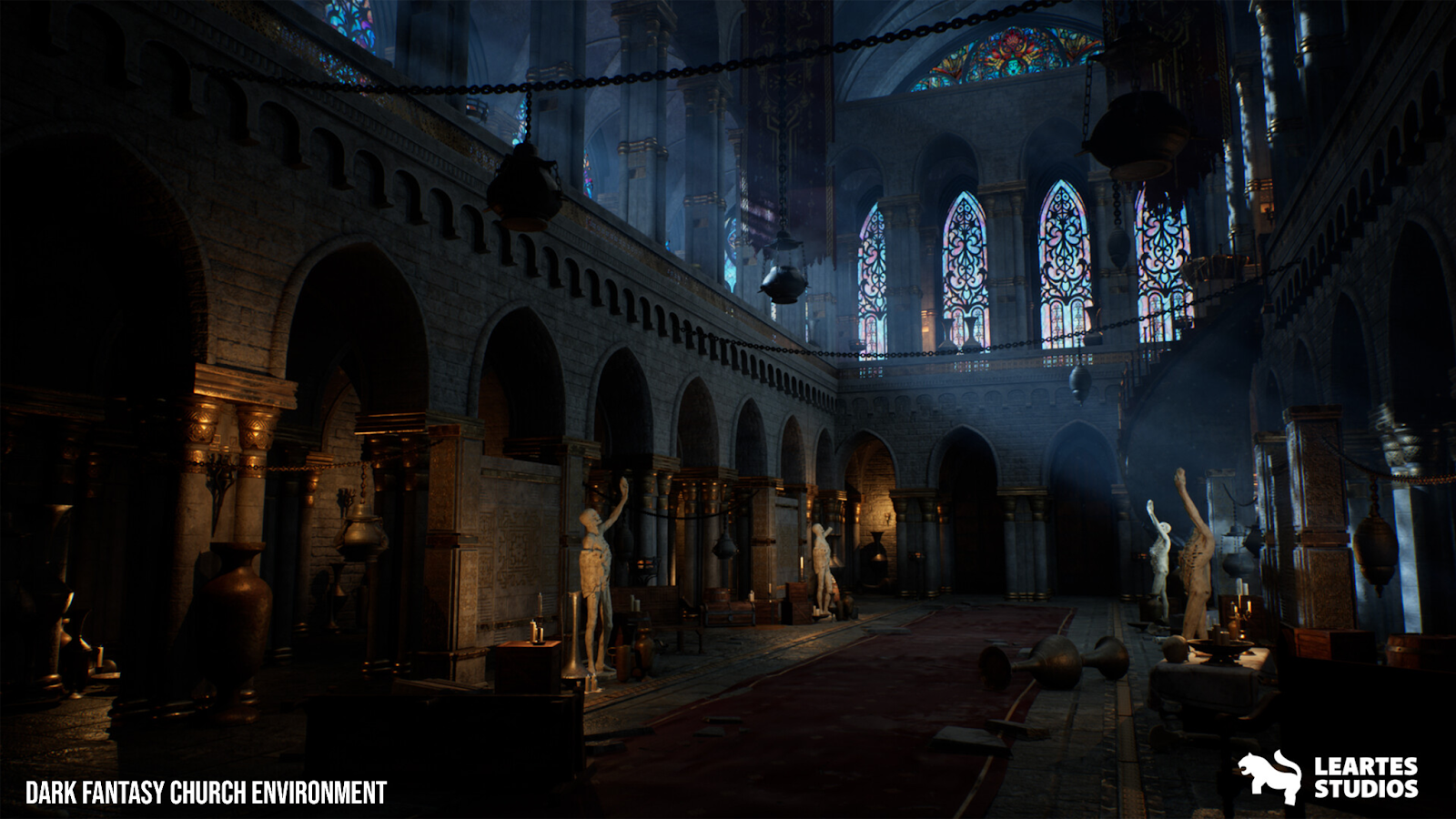
Building a complete game environment from scratch may seem appealing at first. It gives full creative control and the freedom to experiment. Yet in modern production pipelines, this approach often becomes a bottleneck. Time, manpower, and optimization are limited resources.
Creating every model, texture, and lighting setup manually can take weeks or even months. Those hours are usually better spent on storytelling, gameplay mechanics, and user experience design.
Ready-made modular environment packs have become a practical and professional solution. They contain thousands of game-ready assets designed by experienced artists. By using them, developers can focus on composition and atmosphere instead of starting from a blank canvas.
The advantage is not only speed but also consistency. Every asset in these packs is optimized for real-time engines, uses PBR standards, and maintains balanced poly counts and texture resolutions. This ensures visual quality without compromising performance.
Using professional packs doesn’t limit creativity; it enhances it. With a solid foundation, teams can customize, modify, and expand the environment freely while maintaining production-level polish. The result is a faster workflow, fewer errors, and a finished world that feels cohesive and alive.
🏗️ Architectural Visualization (ArchViz)
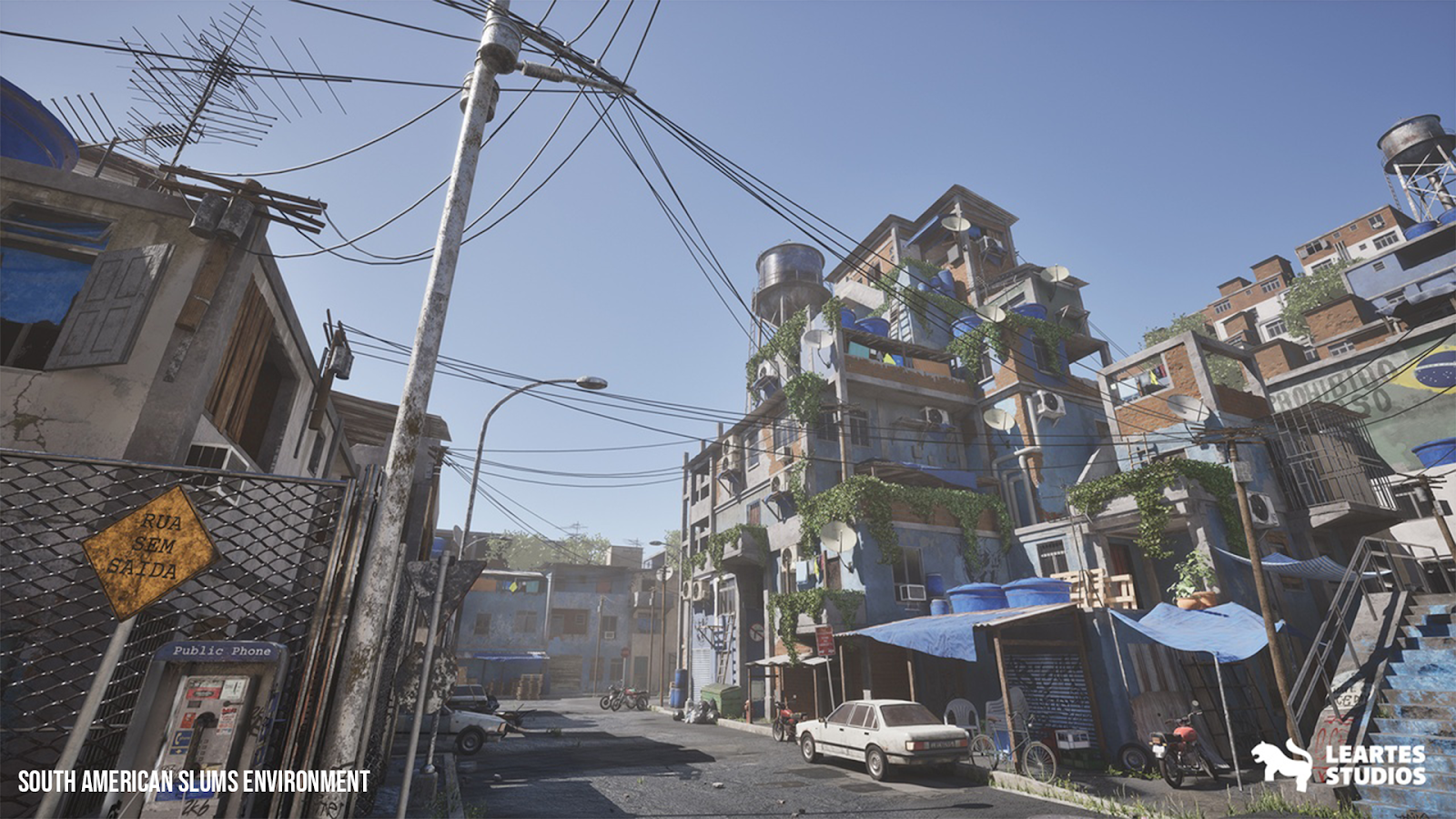
Architectural visualization turns design ideas into immersive experiences before construction begins. With 3D environments, architects and clients can walk through spaces, explore materials, and understand light and scale long before a building exists.
It bridges imagination and reality, helping teams communicate better and make faster, more confident decisions. Using modular packs such as the Victorian or Steampunk sets makes this process faster and visually richer without losing authenticity
🥽 Virtual and Augmented Reality (VR/AR)
In VR and AR, the environment itself becomes the experience. The user does not simply look at the world; they exist inside it. Every texture, reflection, and sound shapes how real that world feels.
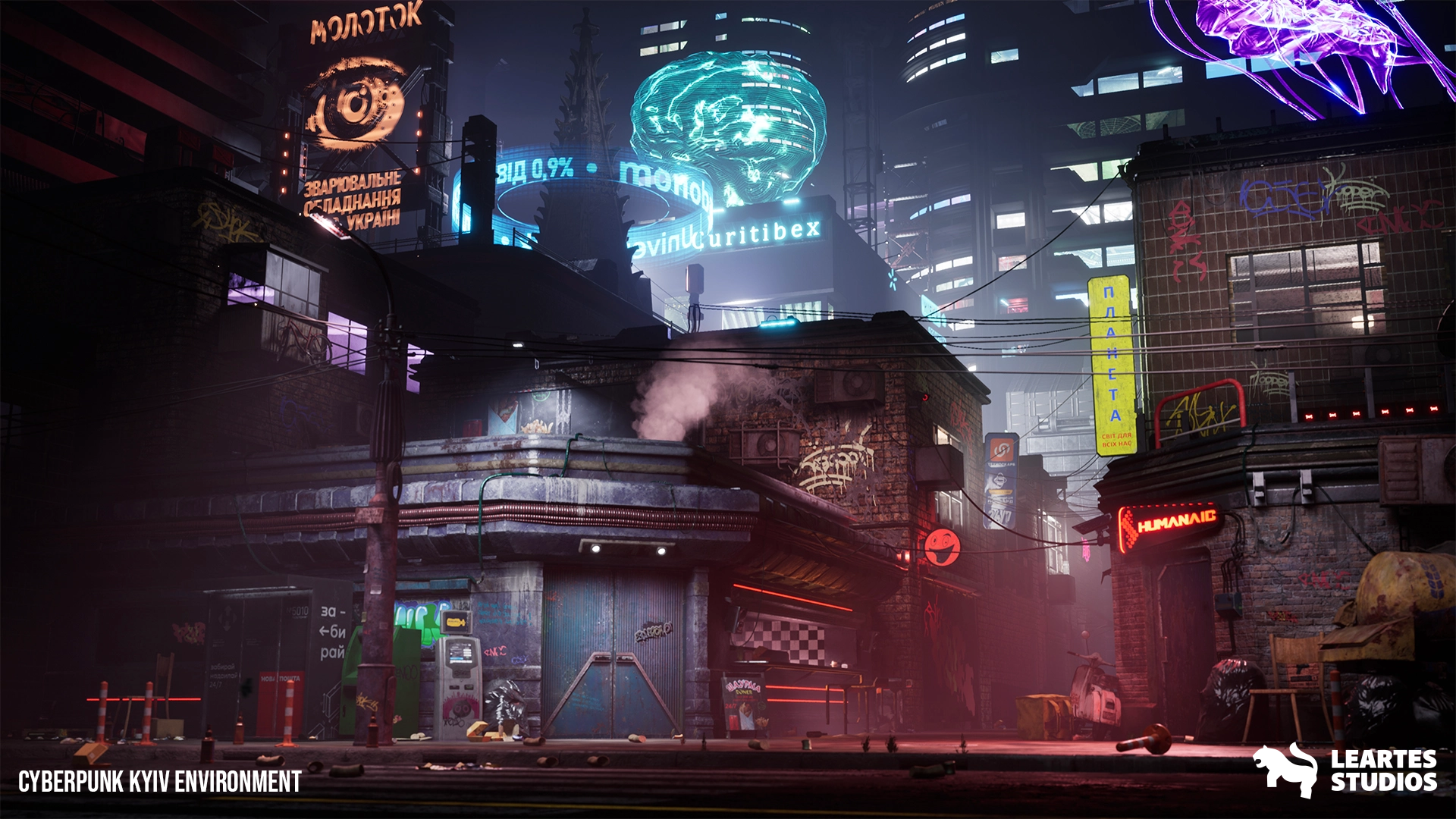
To keep that sense of realism, design must balance performance and visual detail. Leartes’ modular packs like the Cyberpunk Gigapack help create large, optimized, and immersive spaces quickly.
🧪 Simulation and Training
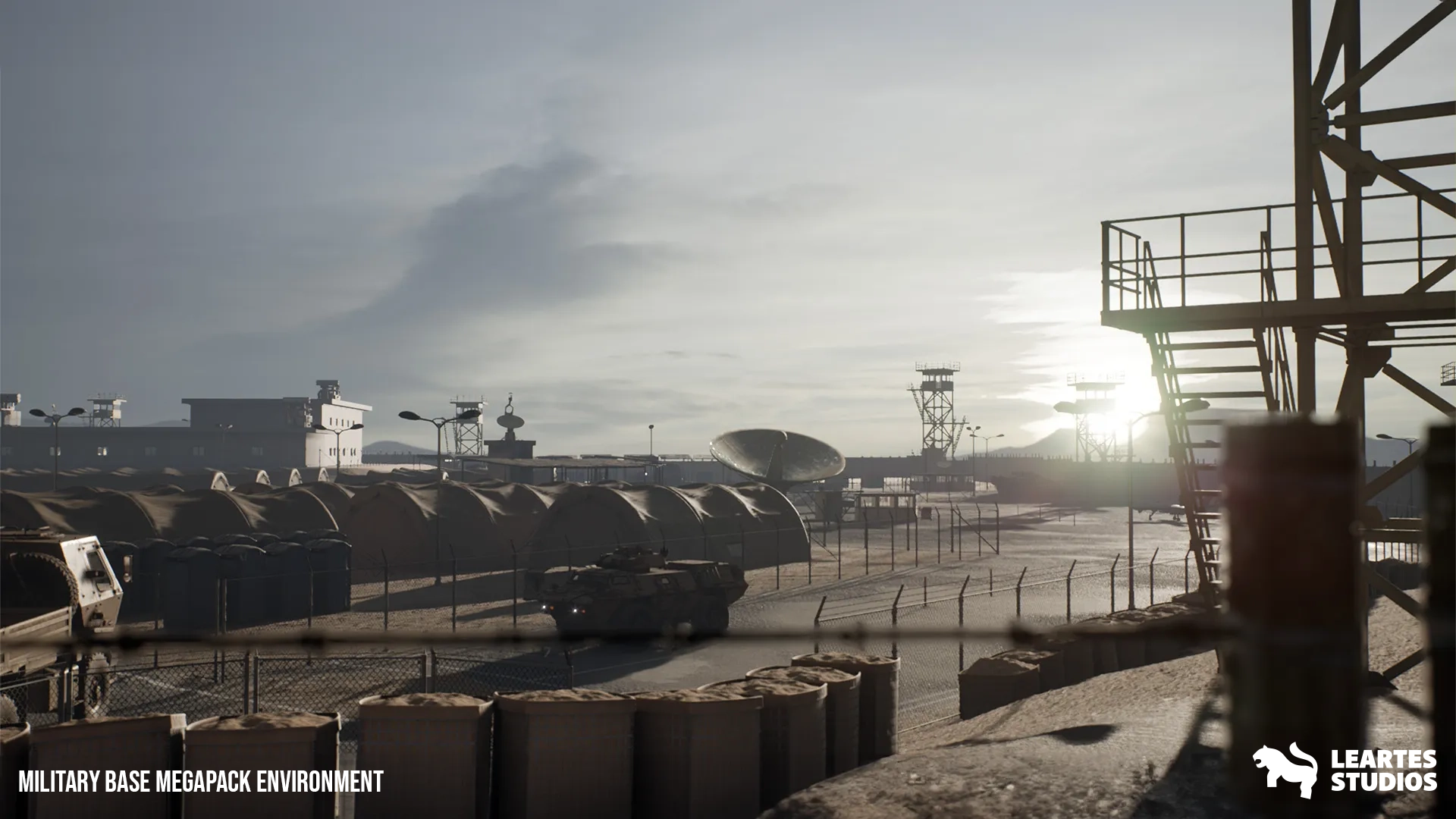
In simulation-based training, realism is everything. Whether it’s military strategy, flight control, or industrial safety, a realistic 3D environment allows users to practice, fail, and improve without real-world risk.
High-quality modular assets help create these worlds quickly while keeping them optimized and believable. When lighting, textures, and scale feel authentic, users train as if they were truly there.
⚙️ How to Build a High-Quality 3D Environment
1 - Reference & Planning – Study real-world materials, lighting, and composition. 2 - Modeling & UV Layout – Clean topology and efficient UV maps are key. 3 - PBR Materials & Shaders – Use Albedo, Roughness, and Normal maps for realism. 4 - Lighting & Atmosphere – The soul of the scene. 5 - Optimization – LOD systems, texture atlases, and draw-call control. 6 - Testing & Iteration – Test, adjust, repeat until it feels alive.
🧩 Building Worlds with Leartes Studios Assets
Leartes Studios is known for crafting high-quality modular environment packs for Unreal Engine and Unity. These collections empower artists and studios to build cinematic worlds quickly, without sacrificing detail or performance. Each pack is designed with a specific visual identity, giving creators ready-made foundations for different genres and styles.
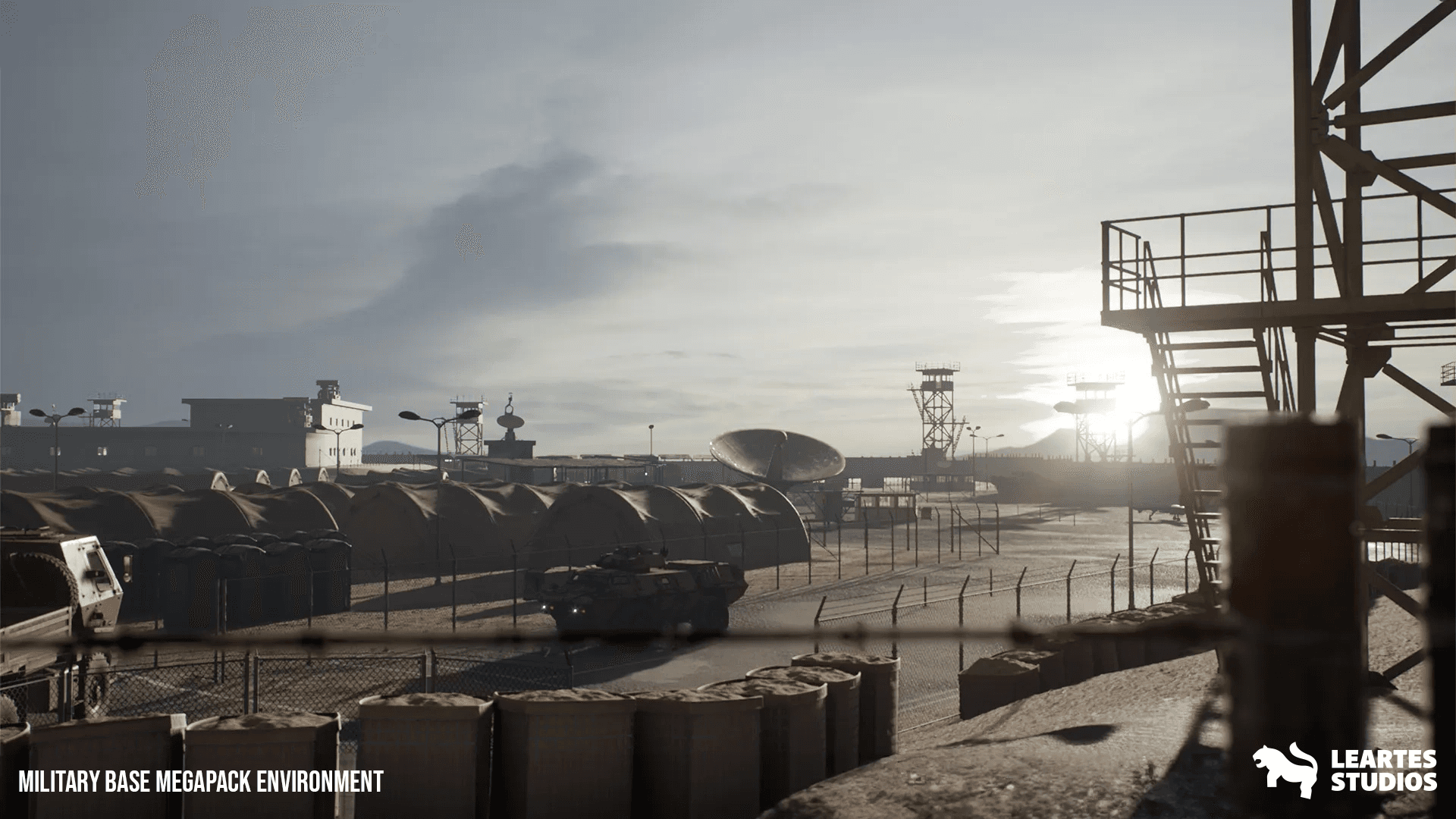
Cyberpunk Gigapack captures the pulse of a futuristic metropolis with neon-lit alleys, reflective materials, and dense atmosphere — perfect for sci-fi games, VR worlds, or cinematic projects. Military Base Megapack brings tactical precision to life with realistic structures, vehicles, and props. It’s widely used in simulations, FPS titles, and training applications. Haunted Prison Environment focuses on atmosphere and emotion. Cracked walls, flickering lights, and eerie corridors make it ideal for horror or thriller projects that rely on tension and immersion. Leartes products are not just asset packs — they are creative toolkits built for storytelling. They shorten production time, enhance artistic direction, and ensure every world feels authentic and alive.