The Prop's Journey: From Concept to Reality
- Author
- Gökhan Kuşatan
- Published
- Read Time
- ~ 4 min
- Categories
- Design & Art
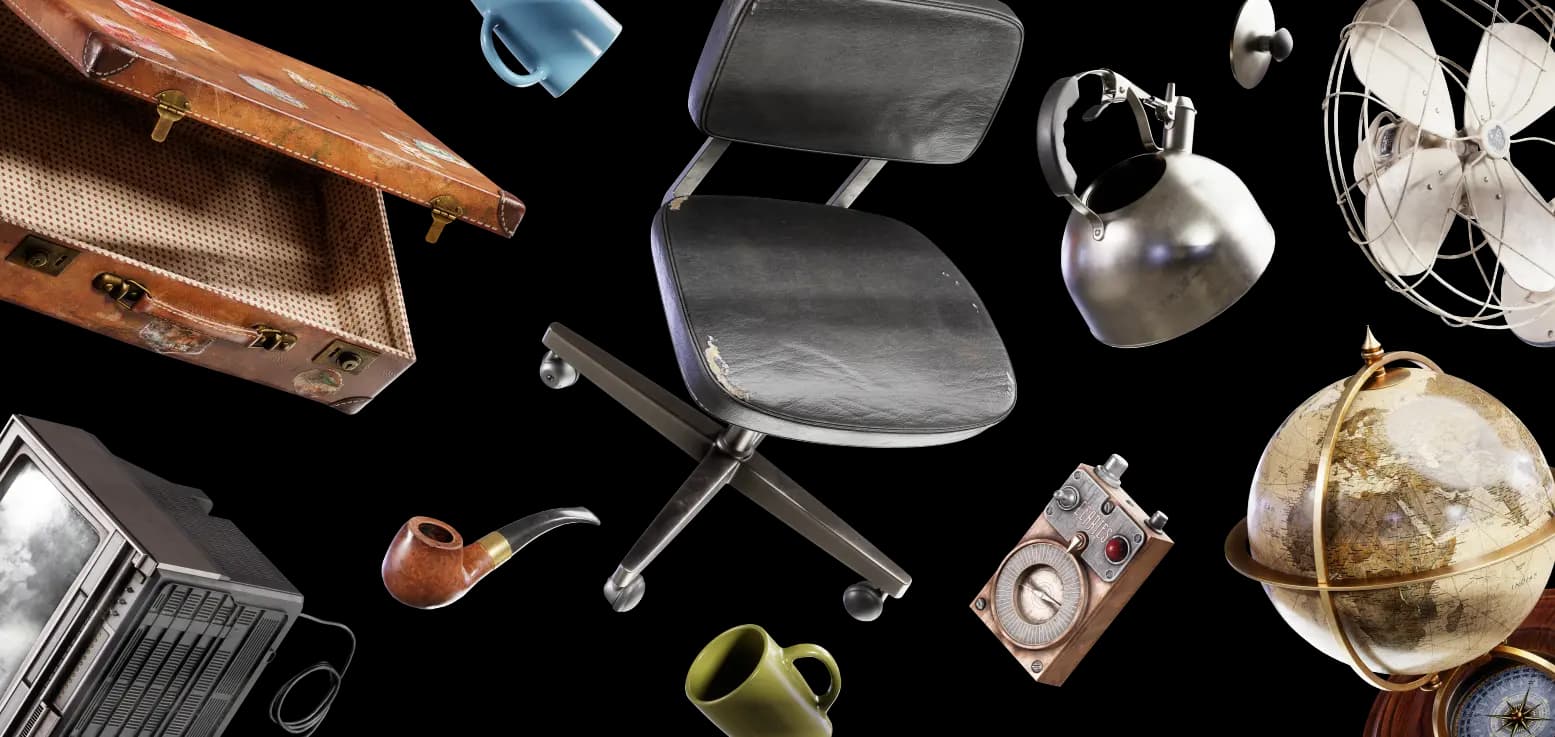
Props are vital in any video or computer game production, providing depth and supplementing the narrative. From a sword that reminds one of medieval times to a futuristic gadget in a sci-fi setting, these items make a scene come alive and draw the viewer deeper into the tale.
Today, the team at Leartes Studios will take you through a comprehensive and methodical prop-making process. Are you prepared to begin this creative process? Let's do it!
Ideation and Concept Design: That First Spark of Ideas
It starts with an idea. When we embark on a project, we decide what story the prop will tell and what kind of feeling it will evoke. Are we, for instance, creating a dust-covered candelabrum for a spooky library in a horror game, or are we designing a wizard staff for a fantasy realm? At this stage, our team conducts conceptual brainstorming and creates mood boards to solidify our concept.
By now, we have thoroughly read the client's brief and collected reference images. We also determine the size, color, and style of the prop. Building off a validated design language, we create one or more 2D sketches to iterate from.

3D Modeling: Adding Depth to Your Fantastic World
Once the design stage is approved, we move to the exciting phase of modeling the prop in 3D within the virtual environment where it will exist.
We build the model using software programs like Blender, ZBrush, or Maya. For example, we can create the general form of a vintage vase and then add small details such as cracks, chipped edges, and dust spots covering its surface.

Here, detailing is crucial. The realism of a prop immerses the audience, making them feel as though they belong in the scene. To achieve this, we use high-poly models and, when necessary, sculpting techniques to bring out intricate details.
Texturing and Materials: Bringing to Life with Details
A model without good textures and materials will render well but will always appear lifeless. This is where tools like Substance Painter or Photoshop come into play.
For example, when creating a wooden chest, we focus on details such as color variation, natural wood grain, and watermark stains. Additionally, we refine aspects like shine, scratches, and rust effects on metal surfaces.At this stage, we also implement PBR (Physically Based Rendering) techniques to simulate realistic light interactions with the surface, ensuring the prop looks convincing under different lighting conditions.
Optimize and Test: Balancing Visuals with Performance
A prop not only has to look good but also needs to perform efficiently on its target platform. For instance, if a prop is designed for a mobile game, it must be low-poly yet retain a high level of detail. To achieve this, we optimize the model, inspect its UV maps, and test it in Unity or Unreal Engine. During this process, we closely monitor how the prop interacts with light, shadow, and animation.
Final Touches and Delivery: The Pursuit of Perfection
In the final step, we carefully review the model and make any last-minute adjustments. We present multiple views before delivering it to the client. If the prop is for an animation or game production, we ensure that it integrates seamlessly with other objects within the scene. At this stage, our team takes feedback very seriously and secures final approval.

Conclusion: One Prop, A Thousand Stories
The art of prop-making is more than just a technical process; it is an art form that tells a story. Every detail contributes to the viewer’s experience, encouraging them to explore the world being presented. At Leartes Studios, we strive to bring these stories to life. Would you like to collaborate with us on your next project? Contact us today, and together, let’s turn your vision into reality!
If you want to improve your modeling and texturing skills, check out our course: